Protecting the environment and addressing climate impacts
464+ Environment Monitors Trained
464+ Environment Monitors trained in technical remediation and deployed for the Ogoni clean-up exercise
3,000+ Soil Samples Collected
3,000+ soil samples collected and analysed to support the wider Niger Delta clean-up
Environment & Climate): SEPAG — Environment Component
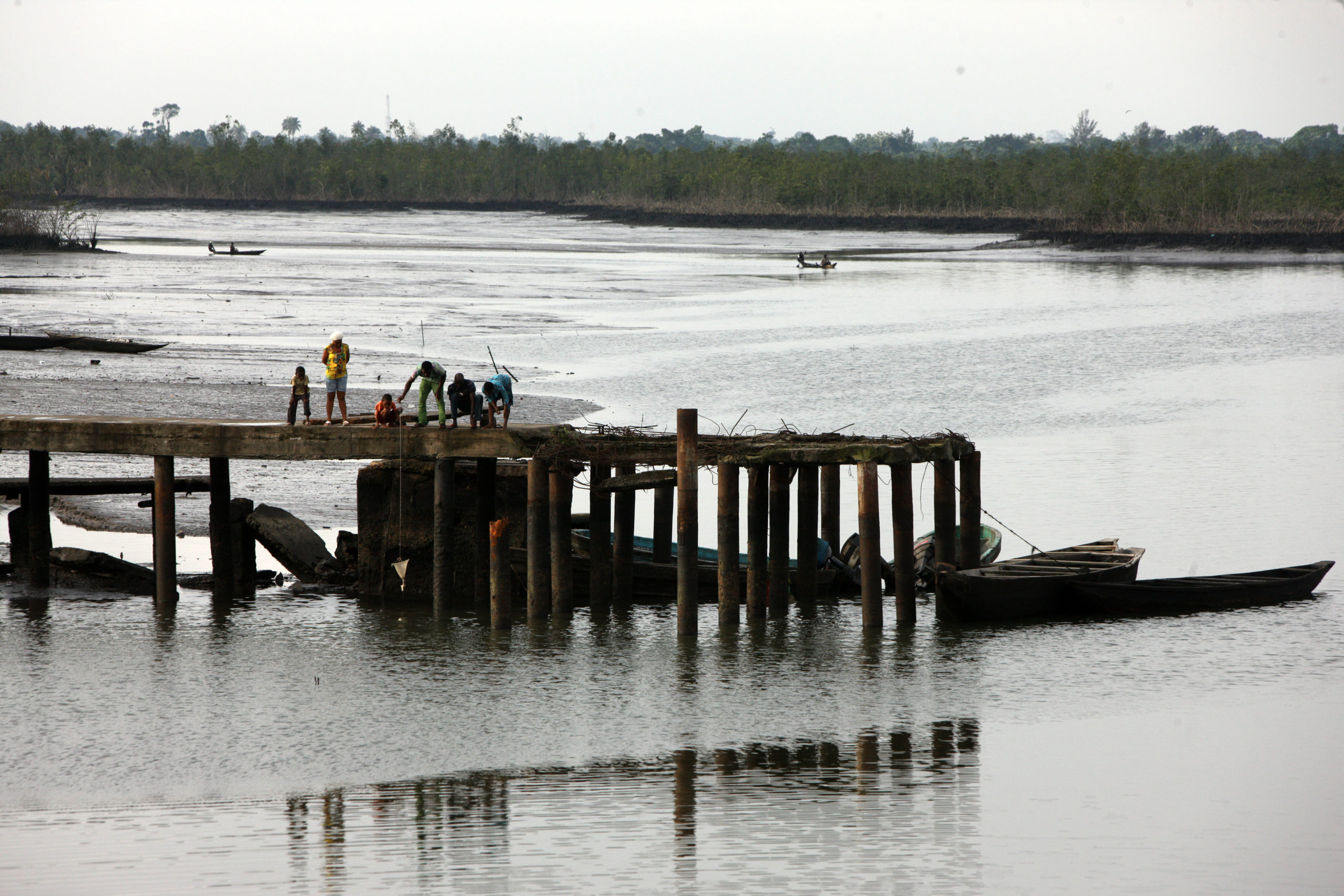
SEPAG (Strengthening Environmental Policy and Accountability in Governance) was implemented across two pillars with distinct activities: Good Governance led the Community Monitoring and Advocacy Groups (CMAGs) work across Bayelsa State (published on the Governance pillar page); Environment & Climate led independent monitoring of the Ogoni Clean-up and Remediation process, covered here.
Independent Monitoring of the Ogoni Clean-up (HYPREP)
Ogoniland’s oil pollution, laid bare in UNEP’s 2011 assessment, which found benzene levels in drinking water over 900 times WHO safety limits, is being addressed through HYPREP, the federal government’s dedicated remediation project. SDN has served as an independent civil society monitor of that process since its early phases.
What changed as a result of the project?
• SDN's monitoring directly led HYPREP to revisit 15 previously "remediated" lots for reassessment after SDN's field data found contamination still above the 1,000mg/kg safety threshold, and to direct contractors to carry out corrective action.
• Helped redesign HYPREP's key performance indicators toward more SMART, measurable monitoring standards, and shaped improved biocell construction and backfilling methodology to better support revegetation.
• Built the independent monitoring capacity of young women and men from oil-impacted Ogoni communities across five training cohorts (2020–2024), with an upgraded second-phase training delivered in 2026.
• Helped repair a strained relationship between HYPREP, its contractors, and host communities through stakeholder roundtables, directly informing HYPREP's approach to community engagement and post-remediation monitoring.
• SDN's public Tableau dashboard, live on the SDN website since 2022, brought public transparency to a clean-up process that previously had almost none.
Support this work:
Fund continued independent monitoring of the Ogoni clean-up and protection of newly restored mangrove ecosystems from re-pollution.
(Environment & Climate): Environmental Performance Index (EPI)
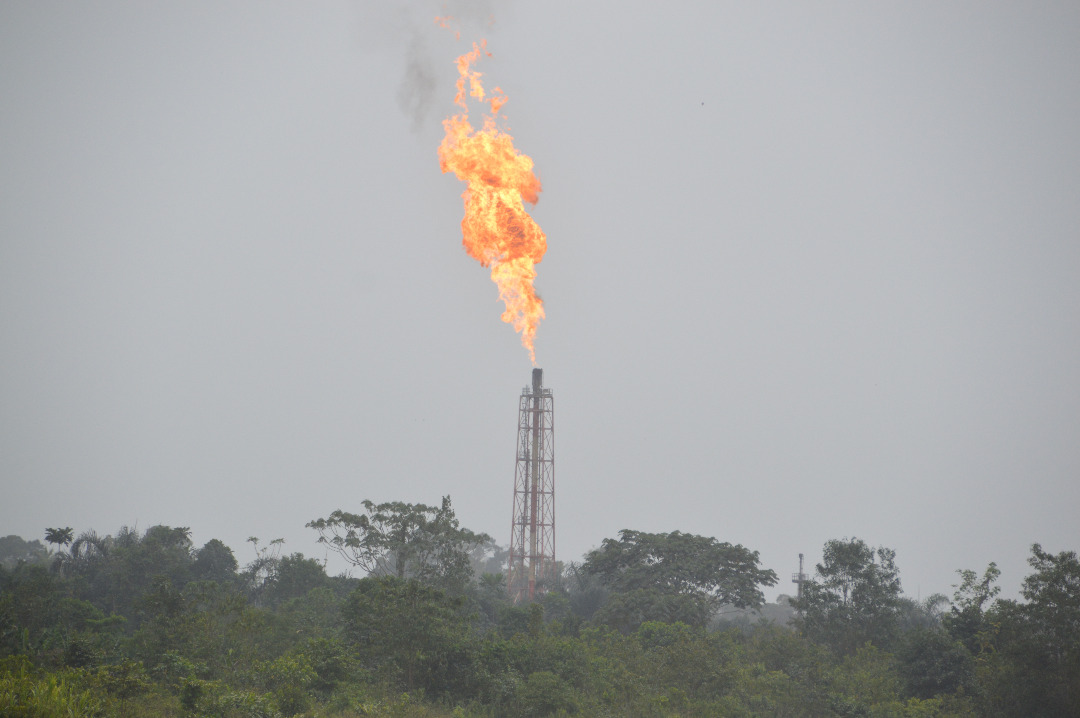
SDN’s EPI project tackles a basic transparency gap: which oil and gas companies are actually polluting the most, and by how much? Using data from NEITI, the Oil Spill Monitor, and the Gas Flare Tracker, SDN produced and published Environmental Performance Indices ranking companies’ pollution, both in absolute terms and relative to production scale, for 2018, 2019, and 2020.
What changed as a result of the project?
• The EPI reports were reviewed by NOSDRA and formally validated by six major oil companies: Shell, Mobil, Agip, Total, Oriental Energy Resources, and Seplat, giving the rankings real regulatory and industry weight.
• Public comparison drove real behaviour change: companies adjusted operations to improve their standing in later editions.
• NOSDRA has since built its own awards programme recognising top-performing companies and state governments on environmental criteria, and is exploring formal incentives for high performers.
Support this work:
Help fund continued data-driven environmental policy work, holding oil and gas operators accountable through public, comparable performance data.
Related Resources: This project also produced related policy research (analysis of 14 environmental legislative issues; a report on oil majors' divestment from the Niger Delta; a publication on Why is gas problematic for Nigeria and the Niger Delta and an ongoing UK court case; and a paper on gas expansion in Nigeria)
(Environment & Climate): Methane Tracker, Gas Flare Tracker & Oil Spill Monitor
Nigeria’s oil and gas sector drives over 400 kilotons of methane emissions annually, a pollutant over four times more damaging to the climate than CO₂, yet the country has historically lacked the tools to measure it. SDN built the digital infrastructure to change that, developing and handing over three live monitoring tools to Nigeria’s regulators.
What changed as a result of the project?
• Built and handed over the Nigerian Gas Flare Tracker and Oil Spill Monitor to NOSDRA, both are live, public tools (verified live at gasflaretracker.ng and oilspillmonitor.ng), independently reported in the press as SDN-built infrastructure now core to NOSDRA's regulatory function.
• Developed a prototype Methane Tracker, now accessible for use.
• Trained 30 staff across NUPRC, NOSDRA, NMDPRA, and four other government agencies on methane measurement (delivered with Carbon Limits and UNEP support), and 33 NOSDRA staff on oil spill contingency and remediation.
• Secured a signed MoU between SDN and NOSDRA on EPI and continued methane tracker collaboration, formalising SDN's role as a long-term technical partner to Nigeria's regulator, not just a one-off contractor.
Support this work:
Support SDN's continued work helping Nigeria track and reduce methane emissions, gas flaring, and oil spills toward its 2060 net-zero target.
The Niger Delta is one of the world’s most environmentally degraded oil-producing regions. Decades of oil and gas extraction have left communities dealing with oil spills, gas flaring, damaged mangrove ecosystems and other forms of pollution that affect health, livelihoods and food security. Climate change is adding to these pressures, while emissions from the oil and gas sector continue to contribute to Nigeria’s climate challenge.
SDN works to reduce the environmental impact of oil and gas operations and strengthen the systems needed to monitor, regulate and address pollution. We support communities to monitor environmental conditions, promote transparency around oil spills, gas flaring and methane emissions, and engage regulators, companies and other national, subnational and regional stakeholders to improve environmental accountability. Below are some of our flagship projects driving this work.
COMPLETED
LIVE
COMPLETED
This project which will be implemented in three Niger Delta states (Bayelsa, Delta and Rivers in six host communities: Otuasega, Imiringi, Eruemukhuwarien, Owevwe, Umuebulu 2-Oyigbo and Komkom, with an estimated population of 250,000)...
LIVE
The aim of this project is to ensure communities in the Niger Delta fairly benefit from the proceeds of the oil and gas industry and that local and global environmental impact...
COMPLETED
This project aims to improve the natural environment in the Niger Delta, and the quality of service provision by government and other institutions in the area.
COMPLETED
This project seeks to update our existing research on the current challenges communities living in the Niger Delta face claiming—and receiving—fair compensation for oil spills impacting their land and livelihoods...
COMPLETED
COMPLETED
COMPLETED


