SUPPORT SDN FOR A PEACEFUL, PROSPEROUS AND POLLUTION-FREE NIGER DELTA
Get project updates | Get governance analysis | Get environmental monitoring reports
UK Registered Charity No. 1148143 | Company Limited by Guarantee No. 510112

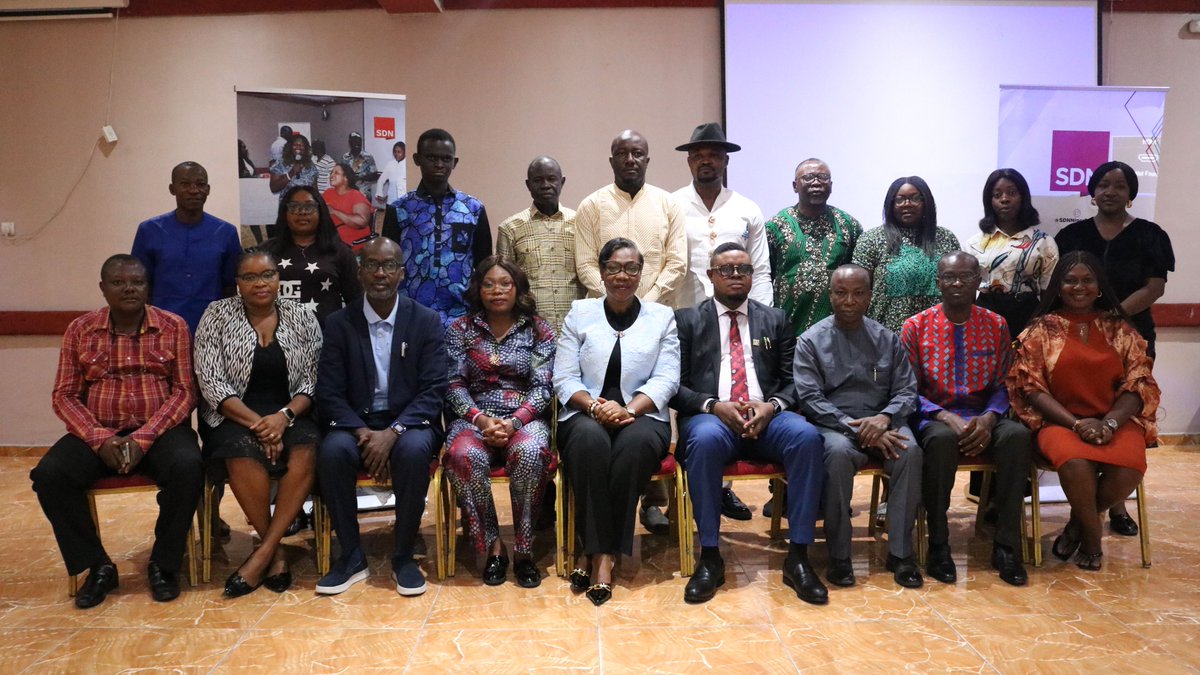
To contribute towards ensuring communities in the Niger Delta experience fewer negative effects of the oil and gas industry and greater benefits from the revenues it provides, and that both local and global environmental impact from the oil and gas industry is reduced

To protect civic freedoms through increased collaboration among CSOs and mobilize support for the domestication/implementation of the Administration of the Criminal Justice Act.

To further contribute to accountable, responsive and inclusive governance in the Niger Delta following the 2023 elections by galvanizing public support to push for the policy demands and secure commitments by the state government to follow through on issues that affect women, young persons as well as persons with disabilities within the state (Rivers State).
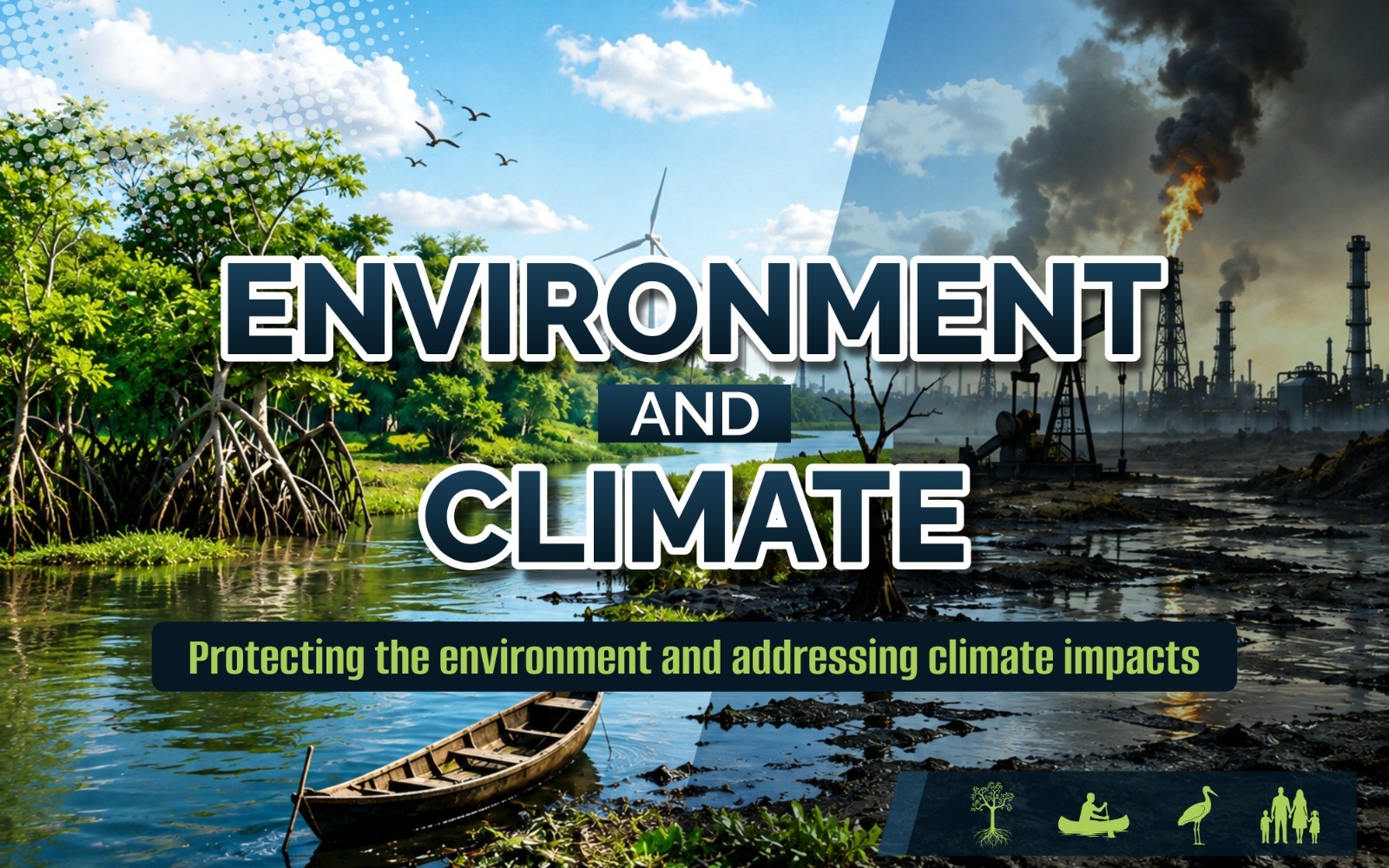
The Niger Delta is one of the world’s most environmentally degraded oil-producing regions. Decades of oil and gas extraction have left communities dealing with oil spills, gas flaring, damaged mangrove ecosystems and other forms of pollution that affect health, livelihoods and food security. Climate change is adding to these pressures, while emissions from the oil and gas sector continue to contribute to Nigeria’s climate challenge. SDN works to reduce the environmental impact of oil and gas operations and strengthen the systems needed to monitor, regulate and address pollution. We support communities to monitor environmental conditions, promote transparency around oil spills, gas flaring and methane emissions, and engage regulators, companies and other stakeholders to improve environmental accountability. Click to view our flagship projects driving this work.
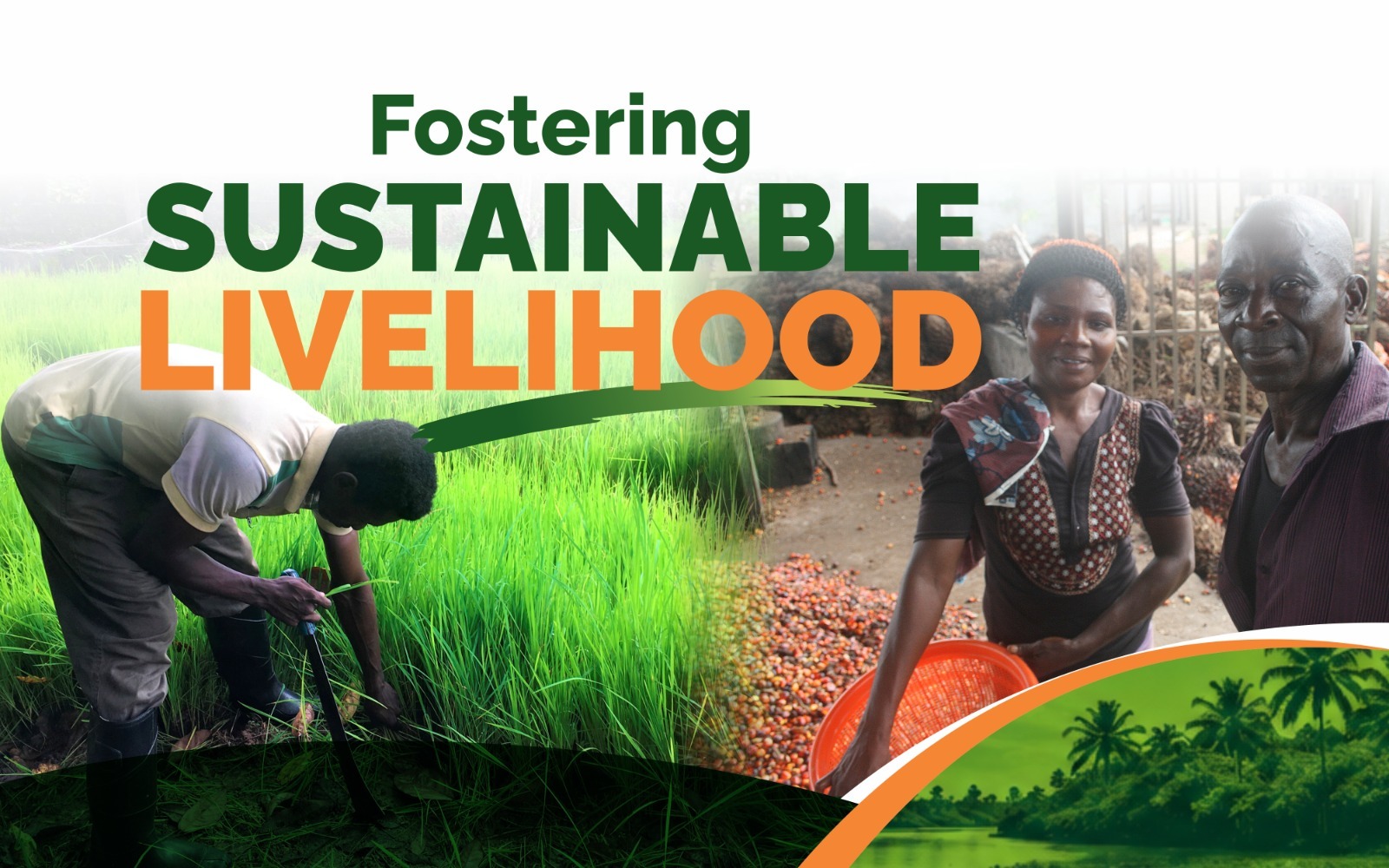
Decades of dependence on oil, limited formal employment and environmental degradation have left many people across the Niger Delta with limited opportunities to earn a secure and sustainable living. For many young people and women in particular, this can increase vulnerability to precarious work and harmful or illicit activities. SDN works to expand access to safe, sustainable and dignified economic opportunities. We support young people, women and other vulnerable groups through initiatives focused on digital skills, entrepreneurship, agriculture and small business development, helping people build livelihoods that are less dependent on oil and better able to withstand economic and environmental pressures. Click to view some of our flagship projects driving this work.
Weak governance, limited transparency and poor accountability have long made it difficult for the Niger Delta’s natural resources and public investments to translate into broad-based development. Communities often lack access to reliable information about decisions and resources that affect them, while opportunities to hold government and businesses accountable remain limited. SDN works to strengthen transparency, accountability and citizen participation across the region. We support civil society organisations and communities to access information, engage decision-makers and advocate for more responsive governance: from the management of Host Community Development Trusts under the Petroleum Industry Act to free, fair and credible elections. Click to view some of our flagship projects driving this work.
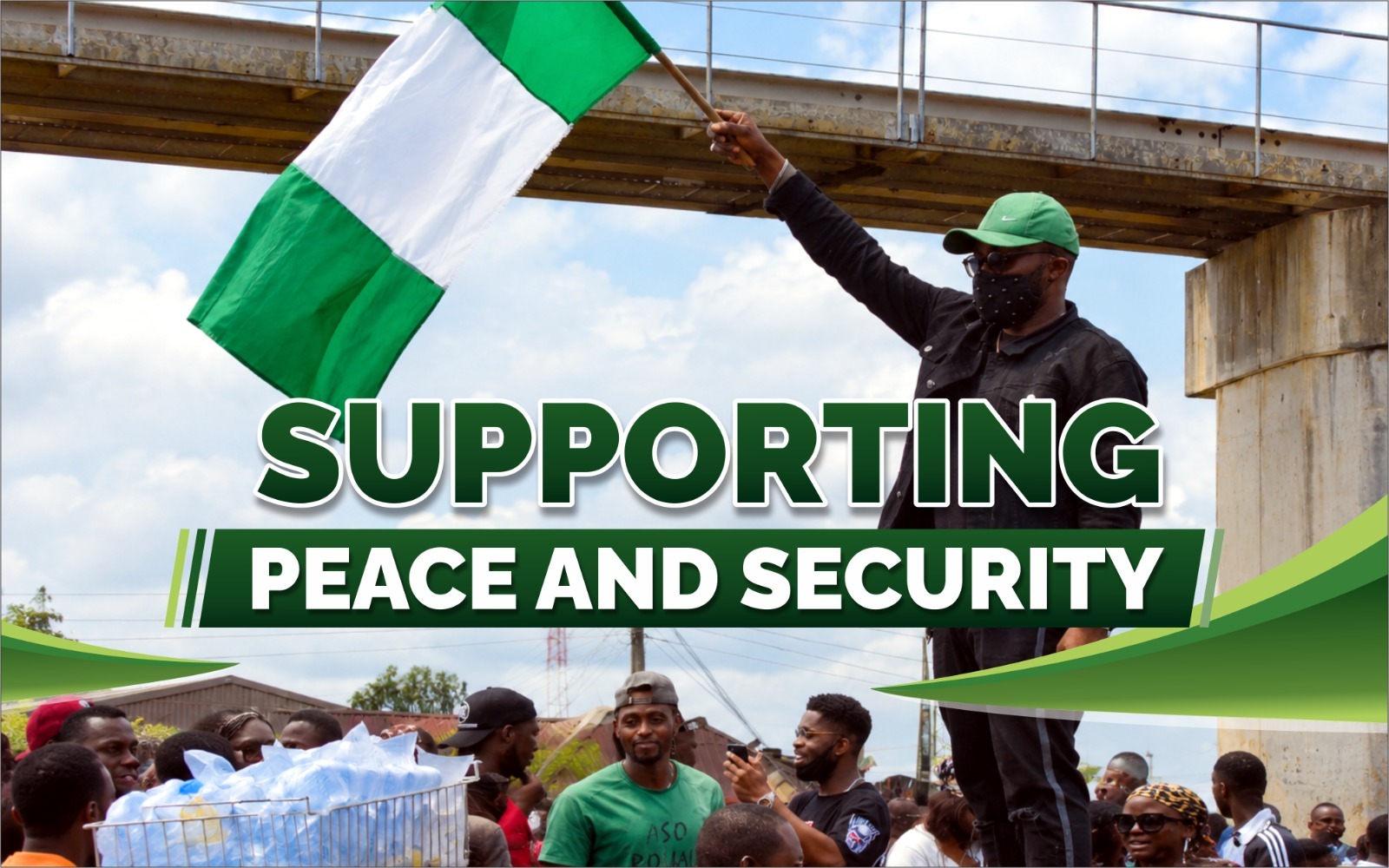
The Niger Delta has a long history of conflict linked to grievances over resource control, environmental degradation, exclusion and unmet development expectations. While large-scale militancy declined following the 2009 Presidential Amnesty Programme, criminality, piracy, pipeline vandalism and tensions between communities and companies continue to pose challenges to peace and stability. SDN works with communities, government, companies and other stakeholders to address the underlying drivers of conflict and insecurity. We promote dialogue, inclusive decision-making and longer-term development approaches that address grievances before they escalate, while supporting communities to build resilience and contribute to lasting peace and stability. Click to view some of our flagship projects driving this work.