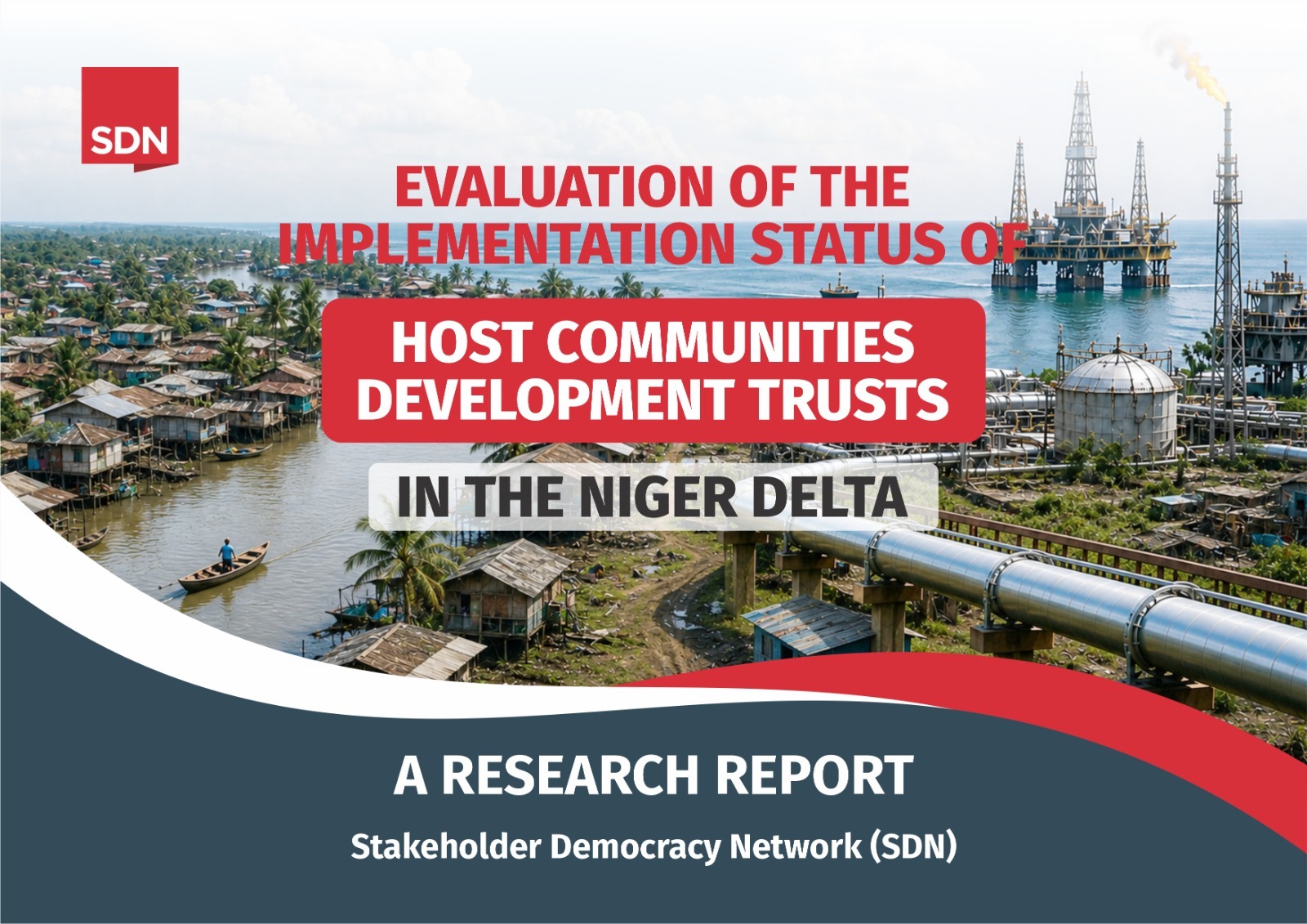
The Host Community Development Trusts (HCDTs) are among the most significant new mechanisms introduced by Nigeria’s 2021 Petroleum Industry Act (PIA). Under the Act, oil and gas companies must contribute 3% of their annual operating expenditure to HCDTs established for their host communities. These contributions are projected to generate approximately US$500–800 million annually across the sector, creating a substantial new source of development financing for oil-producing communities.
To address the gap between the legal provisions and the practical implementation of HCDTs, SDN convened a multi-stakeholder Working Group. This group includes representatives from Shell, Heritage Oil, PIND, the Pan Niger Delta Forum, host communities, legal experts, and academia.
The resulting handbook simplifies the complex HCDT provisions of the PIA into clear guidance. It outlines the responsibilities of settlors, the Nigerian Upstream Petroleum Regulatory Commission (NUPRC), Boards of Trustees, Management Committees, and Advisory Committees. The handbook also highlights seven areas where the legislation poses practical or interpretive challenges. For example, Section 257(2) imposes financial liability on communities for damage to petroleum infrastructure resulting from crude oil theft or sabotage, even when those communities may have limited capacity to prevent such incidents.
Additionally, the handbook offers 12 practical recommendations for improving HCDT implementation. These recommendations include fostering meaningful community participation in the selection of trustees and development planning, ensuring transparency in fund distribution among clustered communities, establishing a two-tier monitoring and evaluation framework, and providing guidance for designing sustainable livelihood initiatives that create lasting economic opportunities instead of one-off infrastructure projects that communities may struggle to maintain.
What changed:
- The Nigerian Upstream Petroleum Regulatory Commission (NUPRC), the industry regulator responsible for overseeing Host Community Development Trusts, reviewed and commended the HCDT handbook and committed to considering its recommendations in the forthcoming update of the guidelines for the establishment and implementation of HCDTs. The commitment provides an opportunity for practical lessons and identified implementation gaps from communities and other stakeholders to inform future regulatory guidance.
- Engagement with members of the House of Representatives’ Joint Committees on Host Communities and Environment generated commitments to strengthen the implementation, accountability and transparency of Host Community Development Trusts (HCDTs). Committee members identified seven legislative and regulatory actions, including introducing penalties for companies that delay establishing HCDTs, developing a standardised approach to distributing the statutory 3% operating expenditure fund, and requiring Boards of Trustees to report transparently to the communities they serve.
These commitments provided a clear pathway to address implementation gaps affecting HCDTs and strengthen oversight of funds intended to benefit oil-producing host communities.
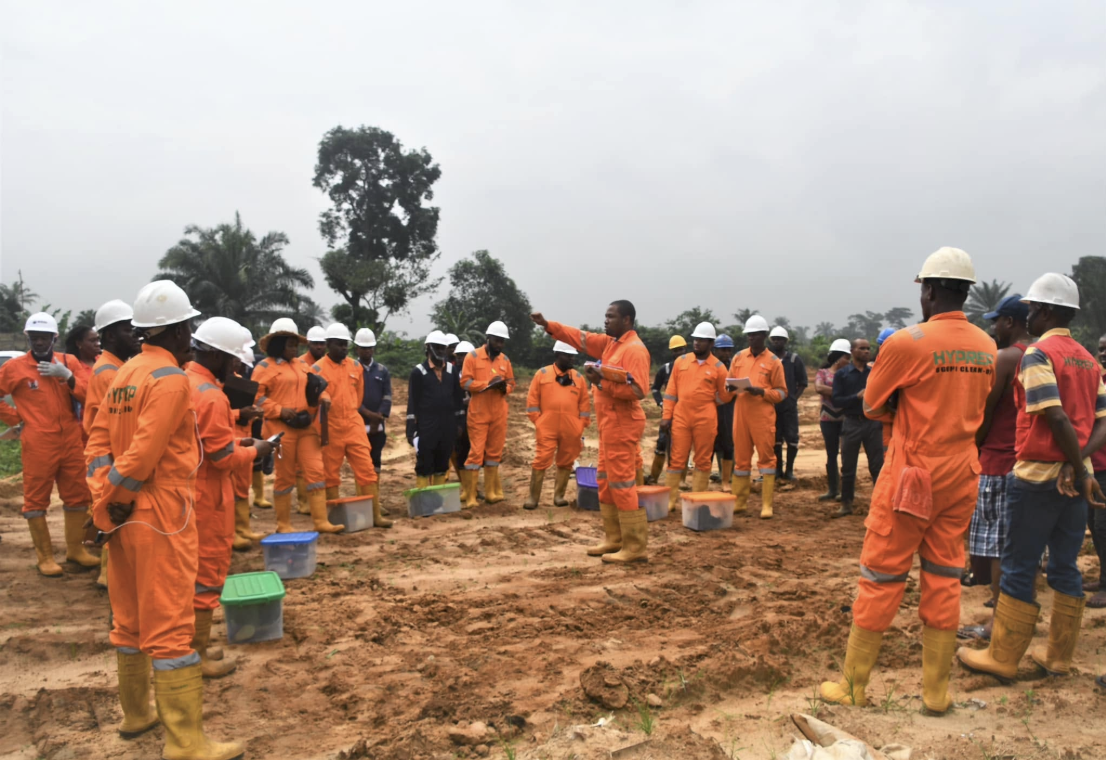
- The handbook reached an estimated 3 million people through radio broadcasts across six stations in Rivers, Bayelsa and Delta States. This broad public outreach was complemented by direct engagement with 268 community representatives and 19 HCDT leaders across six pilot communities, creating opportunities to discuss the handbook’s findings and recommendations and gather practical perspectives on HCDT implementation.
Funded by the Ford Foundation.