Before: By the time the United Nations Environment Programme (UNEP) released its groundbreaking Environmental Assessment of Ogoniland in 2011, decades of oil production had caused significant contamination of both land and water, threatening the health of communities, disrupting ecosystems, and jeopardizing livelihoods. UNEP thoroughly examined over 200 locations, gathered thousands of environmental samples, and engaged deeply with affected communities to understand their plight. The findings not only pinpointed the extent of the crisis but also outlined a comprehensive long-term restoration plan, including ongoing monitoring. With the focus now on the clean-up efforts, the challenge transitioned from identifying the pollution to ensuring effective remediation. As the Hydrocarbon Pollution Remediation Project (HYPREP) set its plan in motion, communities were left without trustworthy information about the clean-up sites and whether areas marked as finished had truly been restored. These communities must be kept informed and involved, as their lives and futures depend on the success of these efforts.
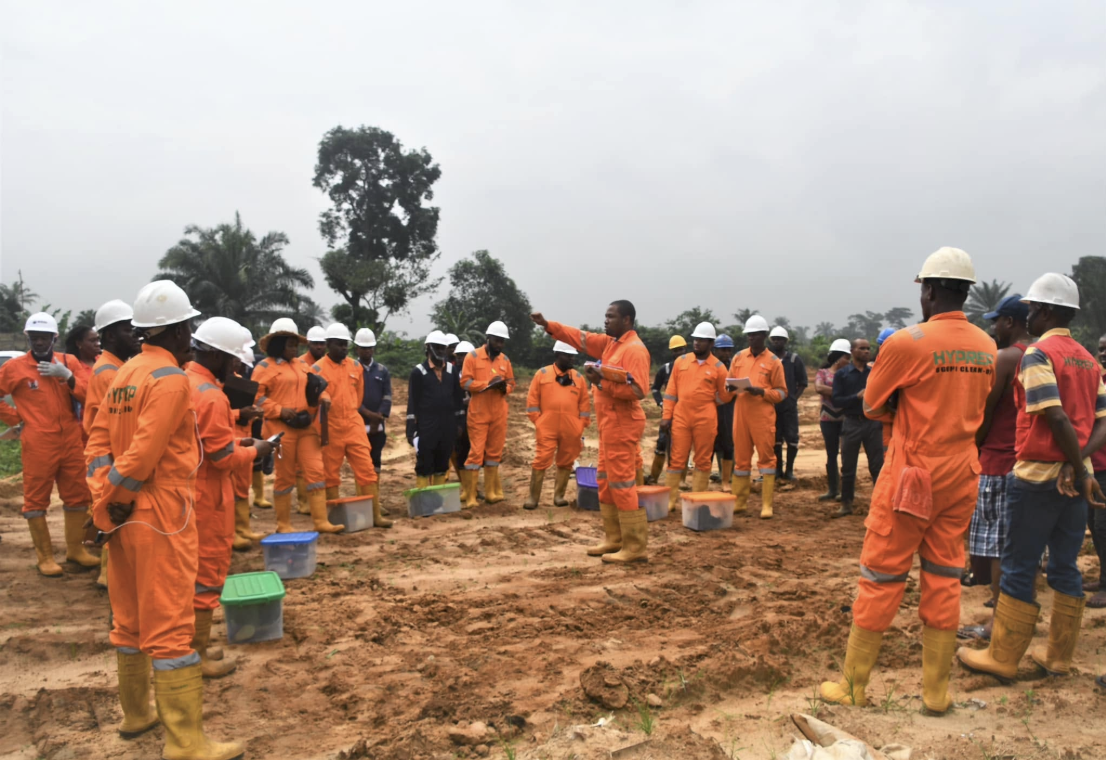
After : SDN and the Centre for Environment, Human Rights and Development (CEHRD) have taken significant strides in ensuring transparency and accountability in the Ogoni clean-up process by introducing independent community and civil-society monitoring. Between 2022 and 2023, diligent independent monitors collected an impressive 2,627 soil samples and 109 water samples from 46 certified remediated sites.
These findings established a robust independent evidence base, enabling a thorough examination of the official assessments. Notably, this crucial monitoring uncovered contamination at 25 sites that demanded further action. In response, HYPREP and NOSDRA reopened these sites for reassessment, ultimately reclassifying 12 as “complex” sites due to more severe contamination and the need for additional remediation.
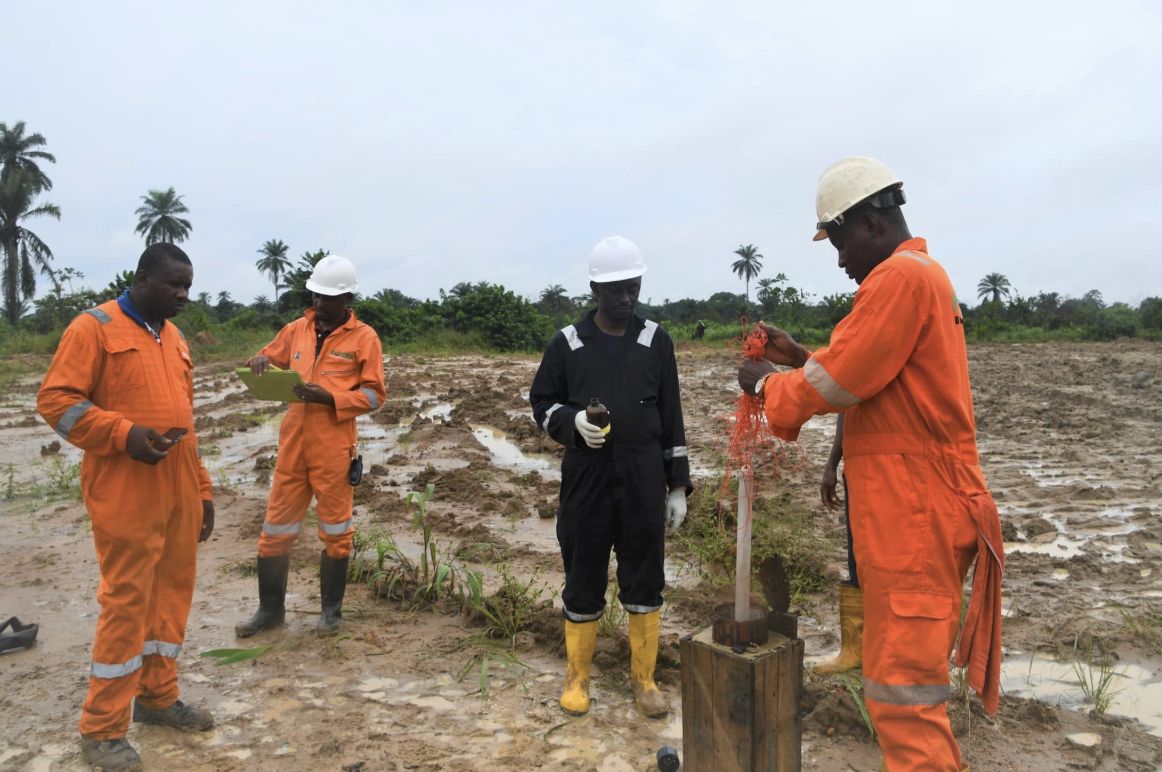
The impact of this work reaches far beyond the individual sites. UNEP’s original assessment underscored the critical need for independent environmental evidence and long-term monitoring in Ogoniland. By embedding this principle into the clean-up process, SDN and CEHRD empowered communities and civil society to actively participate in generating evidence, overseeing remediation, and ensuring the restoration of their environment. This collective effort is vital for the future health of Ogoniland and its people.
Source: SDN’s Independent Civil Society Monitoring of the Ogoniland Clean-up, Biannual Progress Report (January–December 2023).