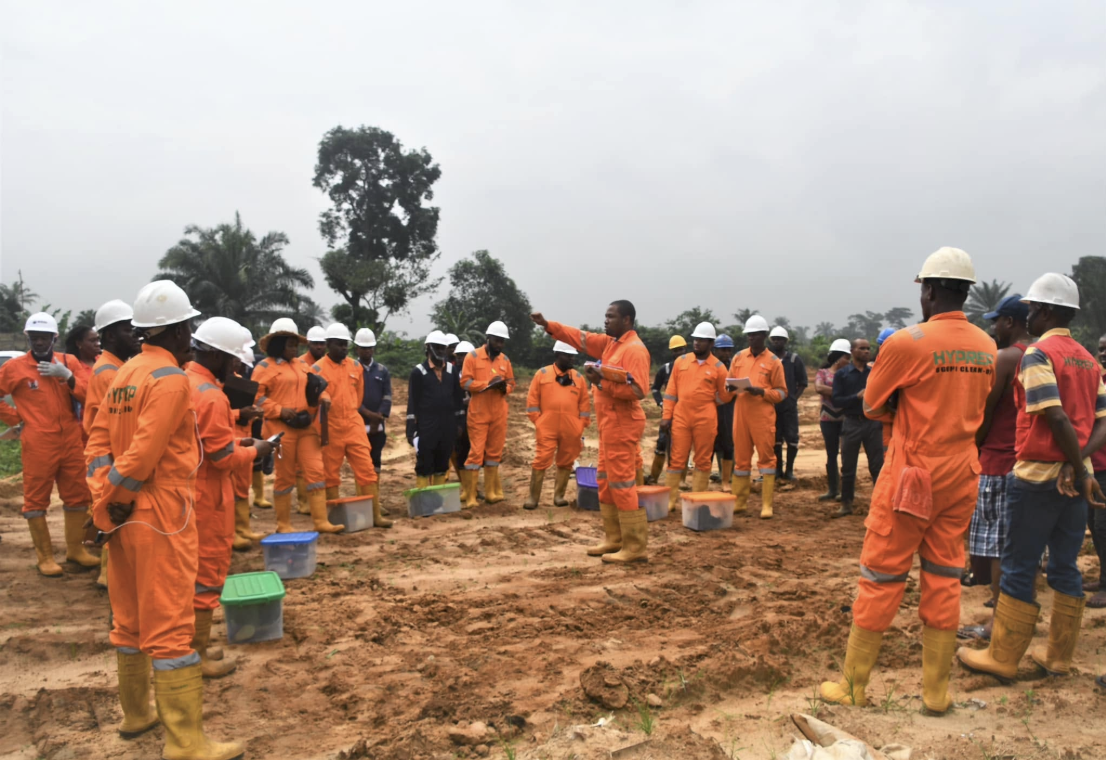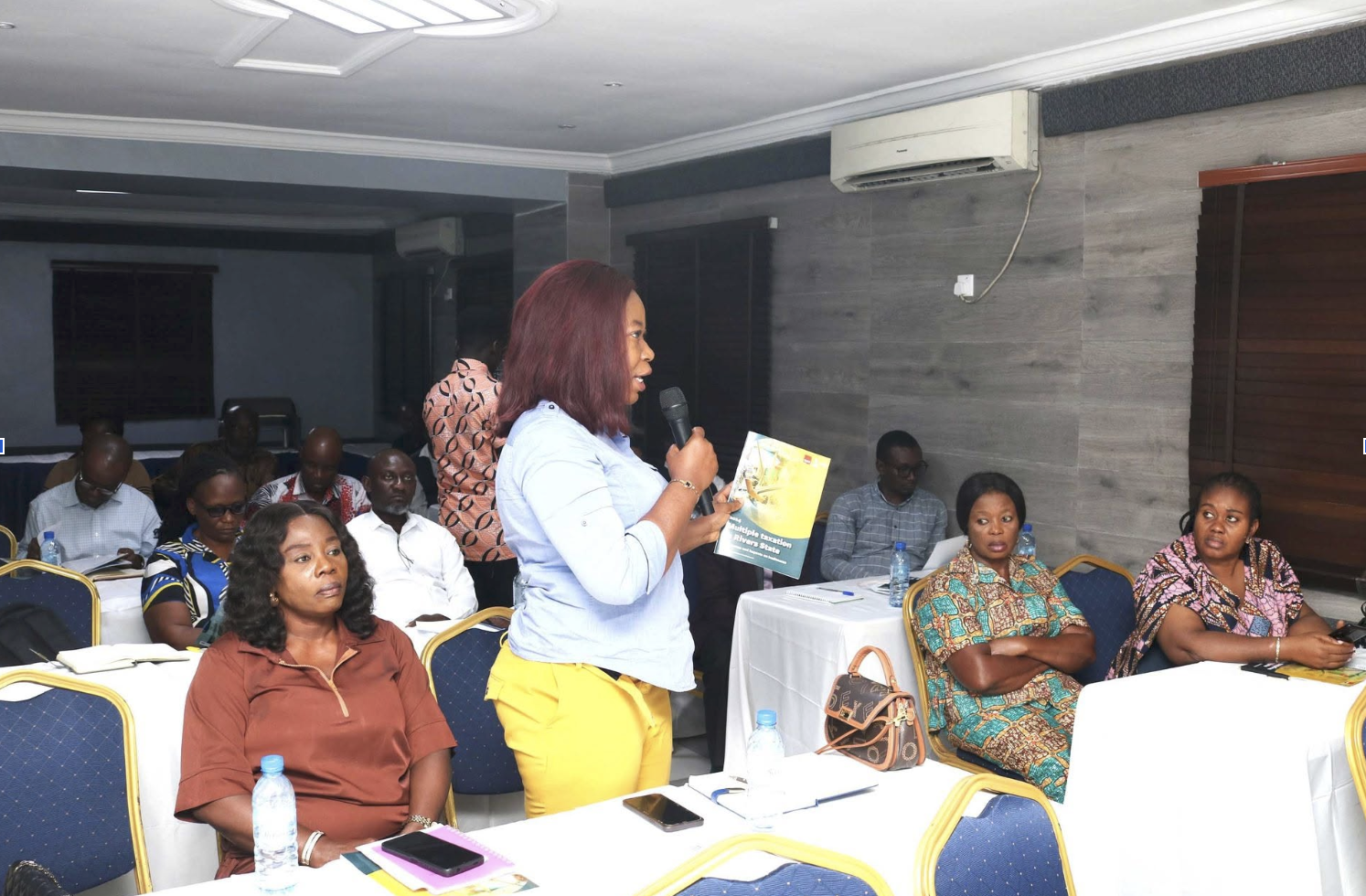
Before: In the Ohoror community of Delta State, young people faced limited job opportunities, which, combined with rising concerns about drug use and trafficking, created a precarious situation. Traditional livelihoods and local economic options could not provide stable incomes for everyone, leaving some youth vulnerable to harmful or illegal activities. Community members were particularly worried about the visible use and sale of Indian hemp, shisha, and tramadol. There was a strong call for more viable alternatives to support the youth and steer them away from these detrimental paths.
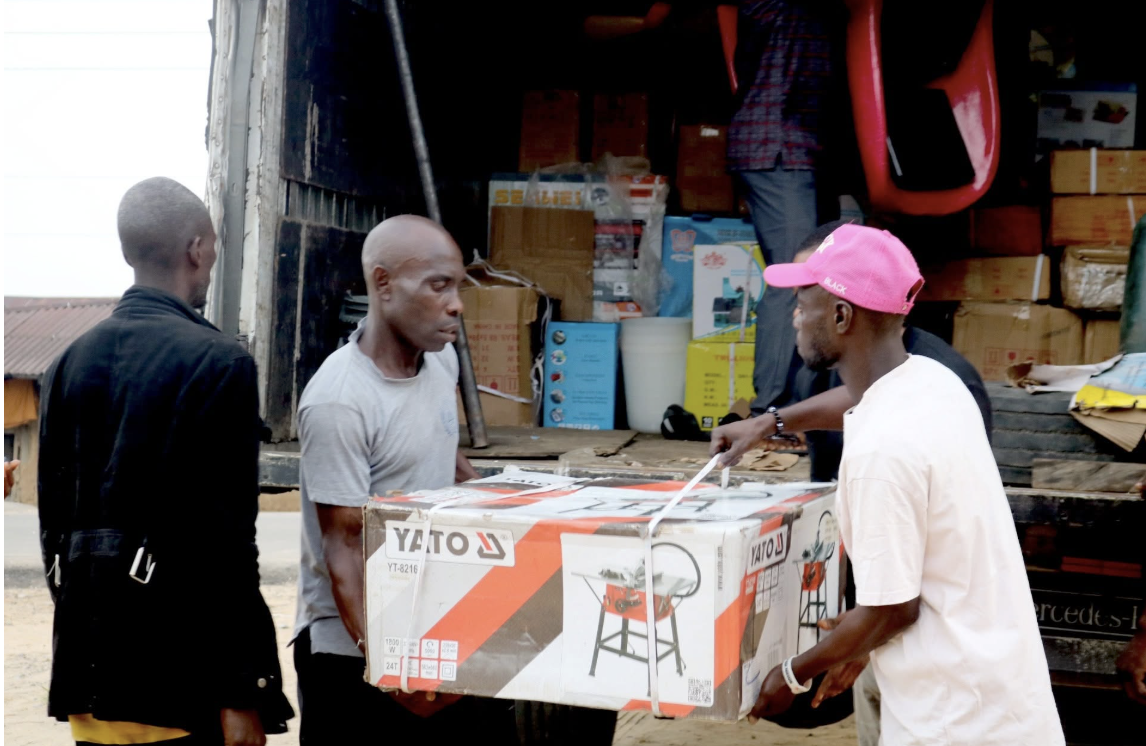
After: The program’s proactive strategy is designed to foster a thriving economy that complements enforcement efforts effectively. In Delta and Bayelsa, we proudly launched 16 community-driven livelihood initiatives, each tailored to meet the unique needs and economic potential of the communities involved.
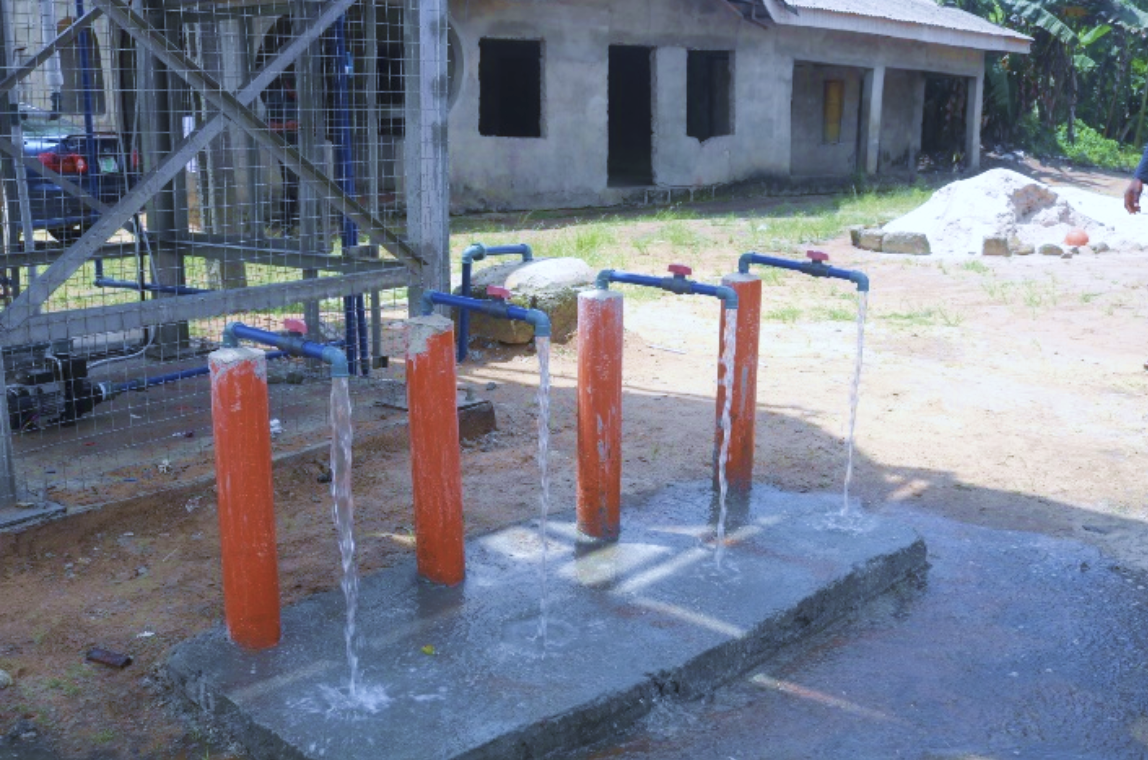
These projects include modern cassava processing mills with advanced grinding machines and hydraulic presses in six communities, as well as solar-powered water boreholes and a specially designated speedboat for fishing communities in Esanma and Ovwian.
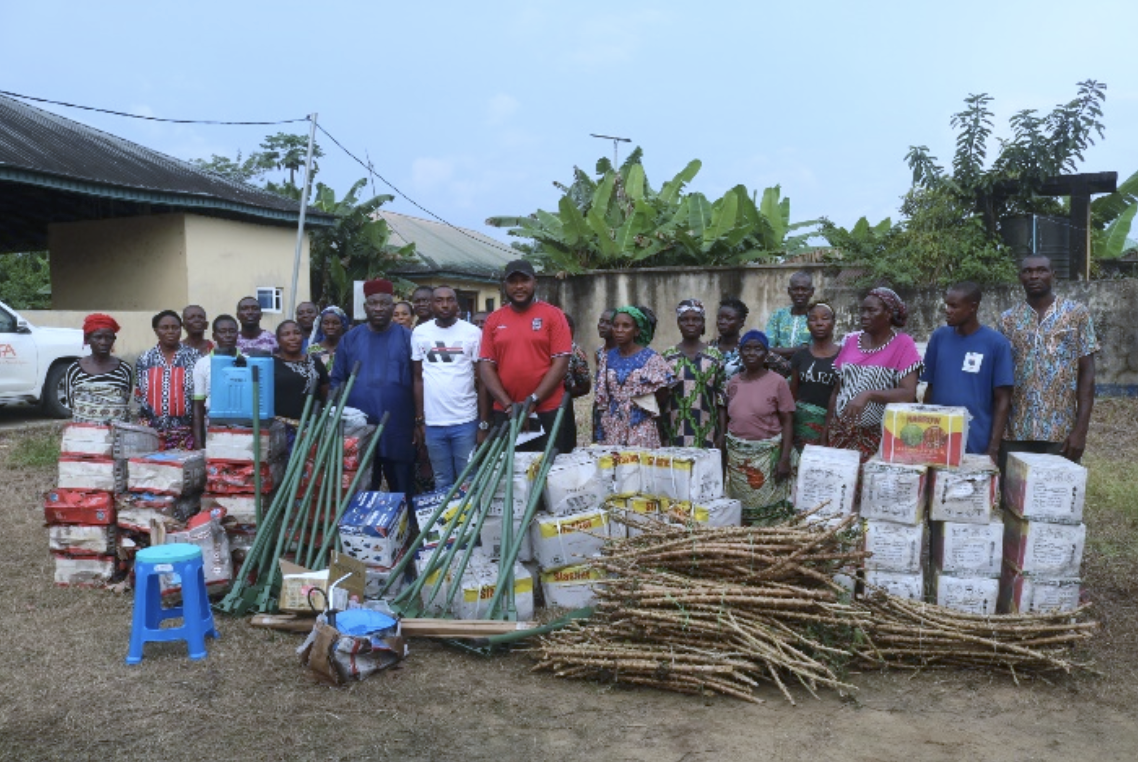
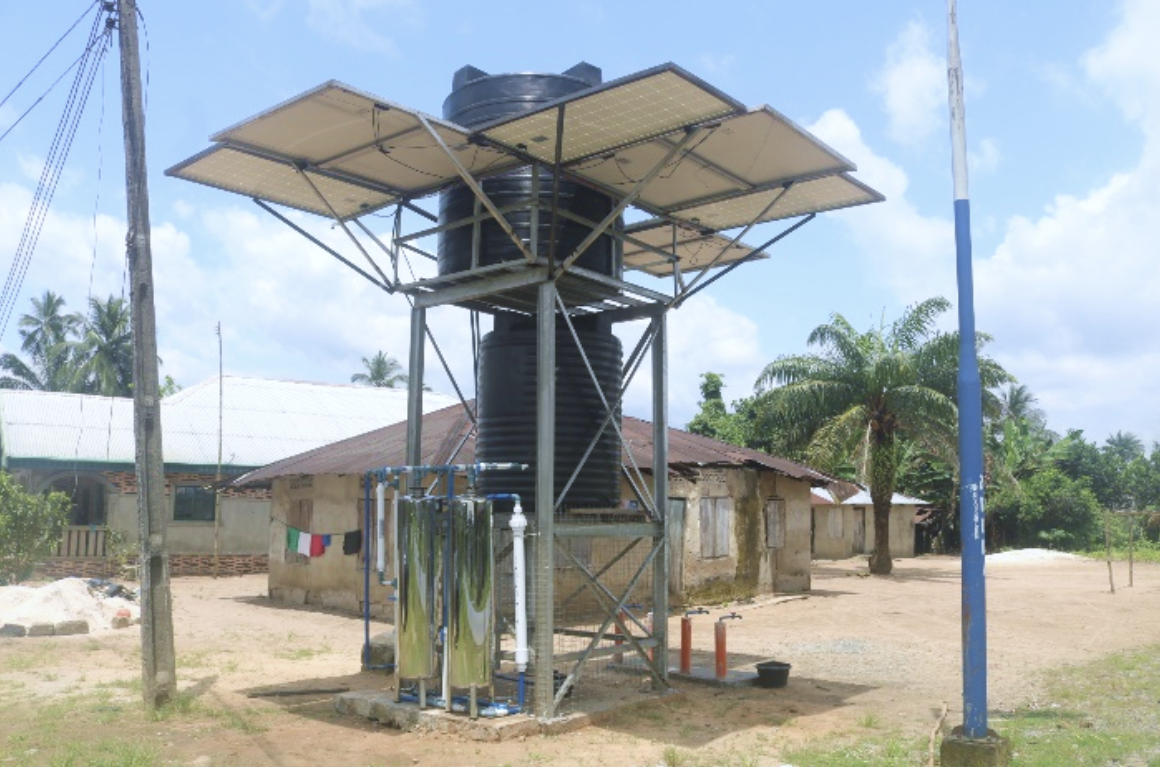
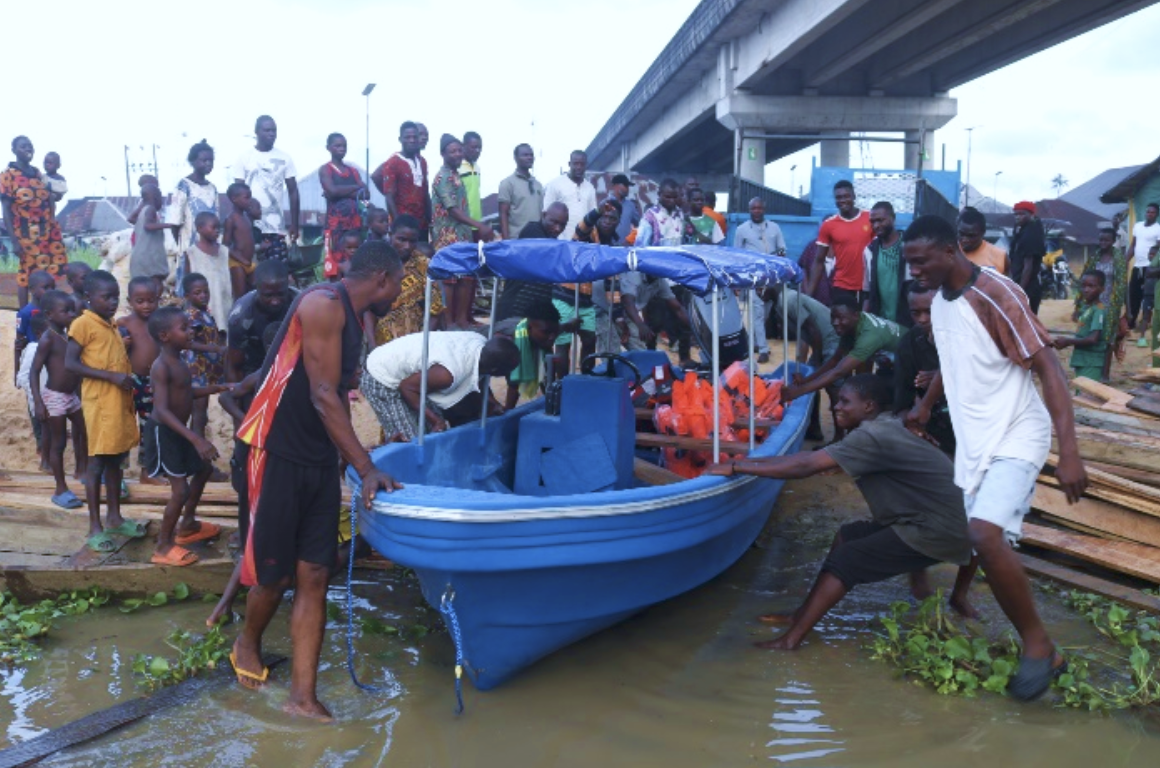
Our customised investments have empowered individual entrepreneurs. For example, in Kpakiama, a barber expanded his business by acquiring a new generator and clippers. Meanwhile, a trader in Otor-Udu flourished after buying a deep freezer, which let him sell cold drinks and properly store products like chicken, ultimately boosting his grocery store sales.
In Gbarantoru, Agbia, and Ohoror, we successfully supported 120 smallholder farmers with improved cassava varieties and essential training. The enthusiasm for these new techniques was evident, and farmer Alawei Dinipre proudly shared that the new variety outperformed traditional stocks in just four months of planting. The transformation seen in Ohoror underscores the crucial connection between legitimate livelihoods and community involvement. As new income opportunities emerged, the community took proactive steps to combat drug-related issues by forming a youth-led task force that worked hand-in-hand with local police and the National Drug Law Enforcement Agency.
Community feedback indicates a significant decline in public drug use, with many former dealers now enjoying successful, lawful livelihoods. The Ohoror experience beautifully demonstrates the power of livelihood interventions in enhancing security. By offering economic alternatives alongside enforcement initiatives, we empower young people and communities to take ownership of their productive, legitimate economic futures.
Source: SDN’s final narrative report to the EU, “A Community-Centred Approach to Transforming Criminality and Violence in the Niger Delta”; Peace and Security pillar team input.