Effective methane regulation depends on the ability to detect, measure and verify emissions. Nigeria’s two petroleum regulatory authorities now have a shared digital platform designed to strengthen these capabilities across the entire oil and gas value chain.
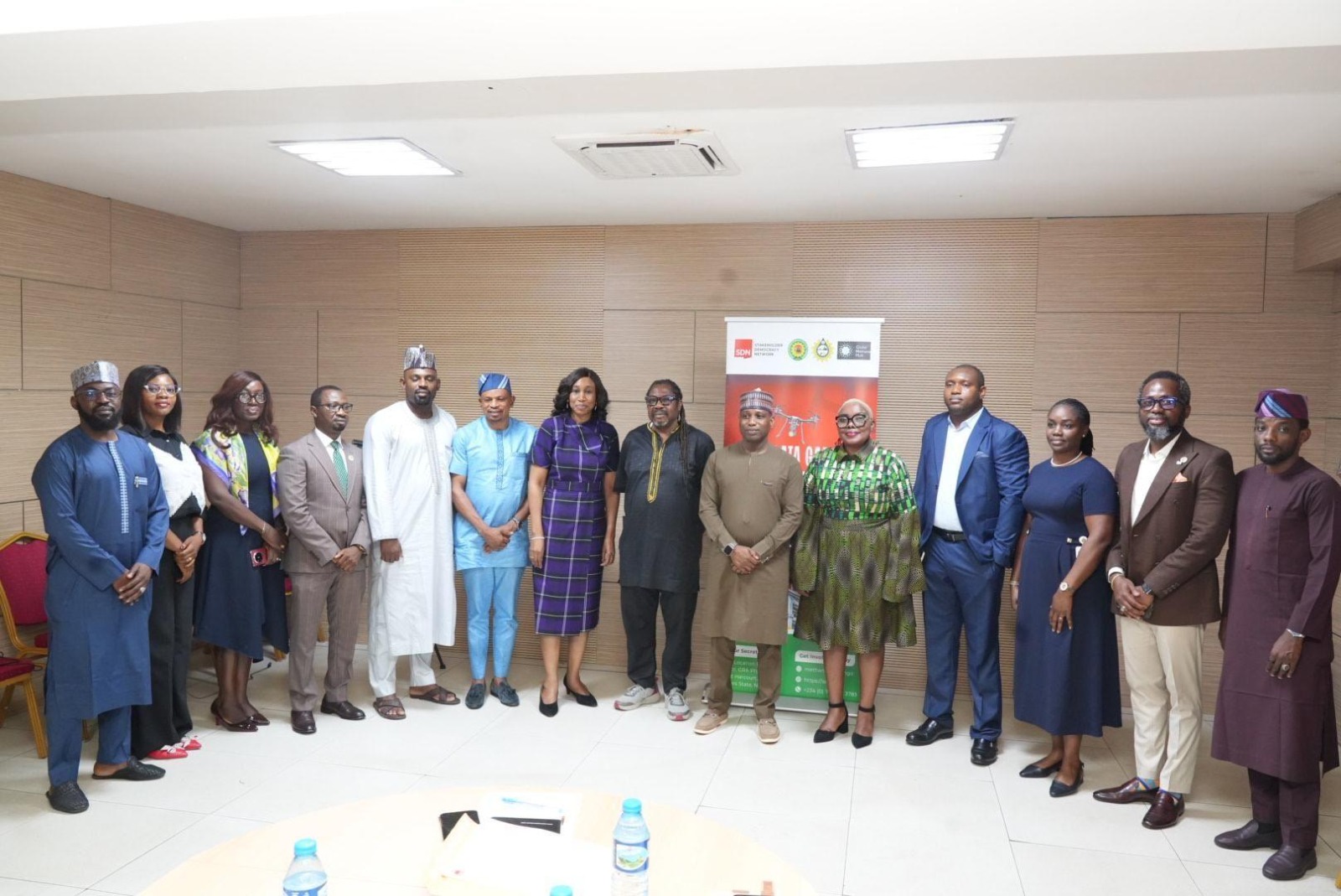
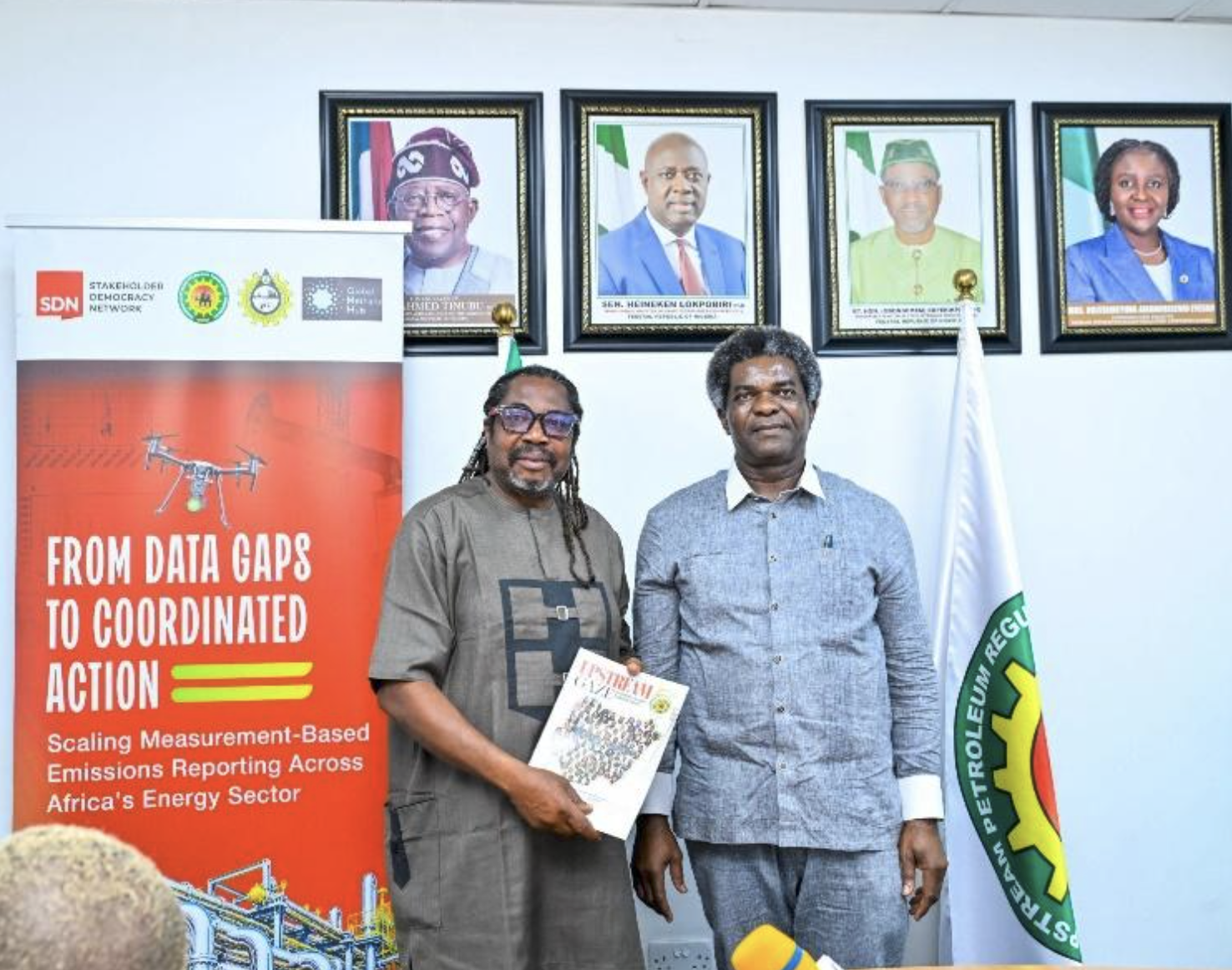
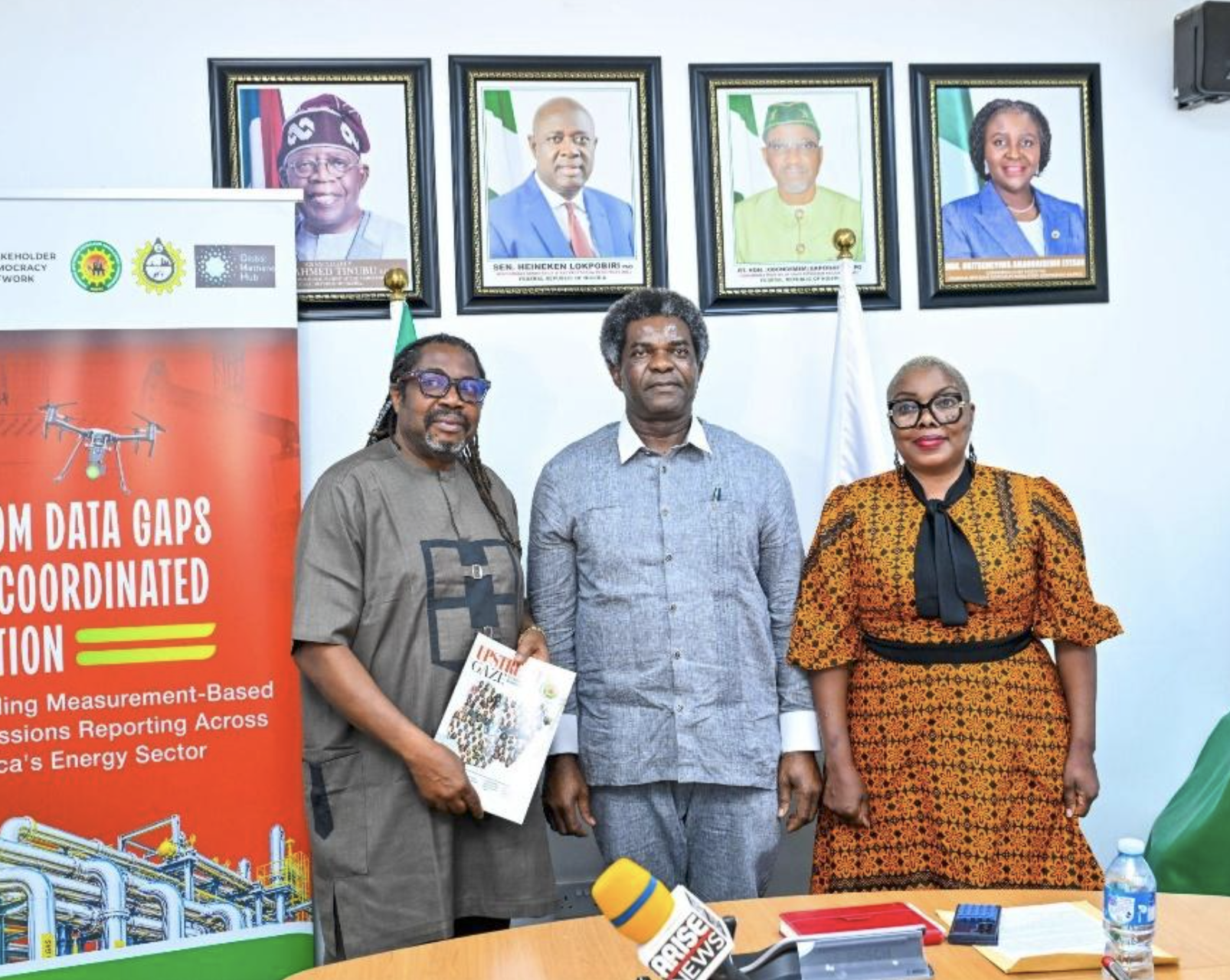
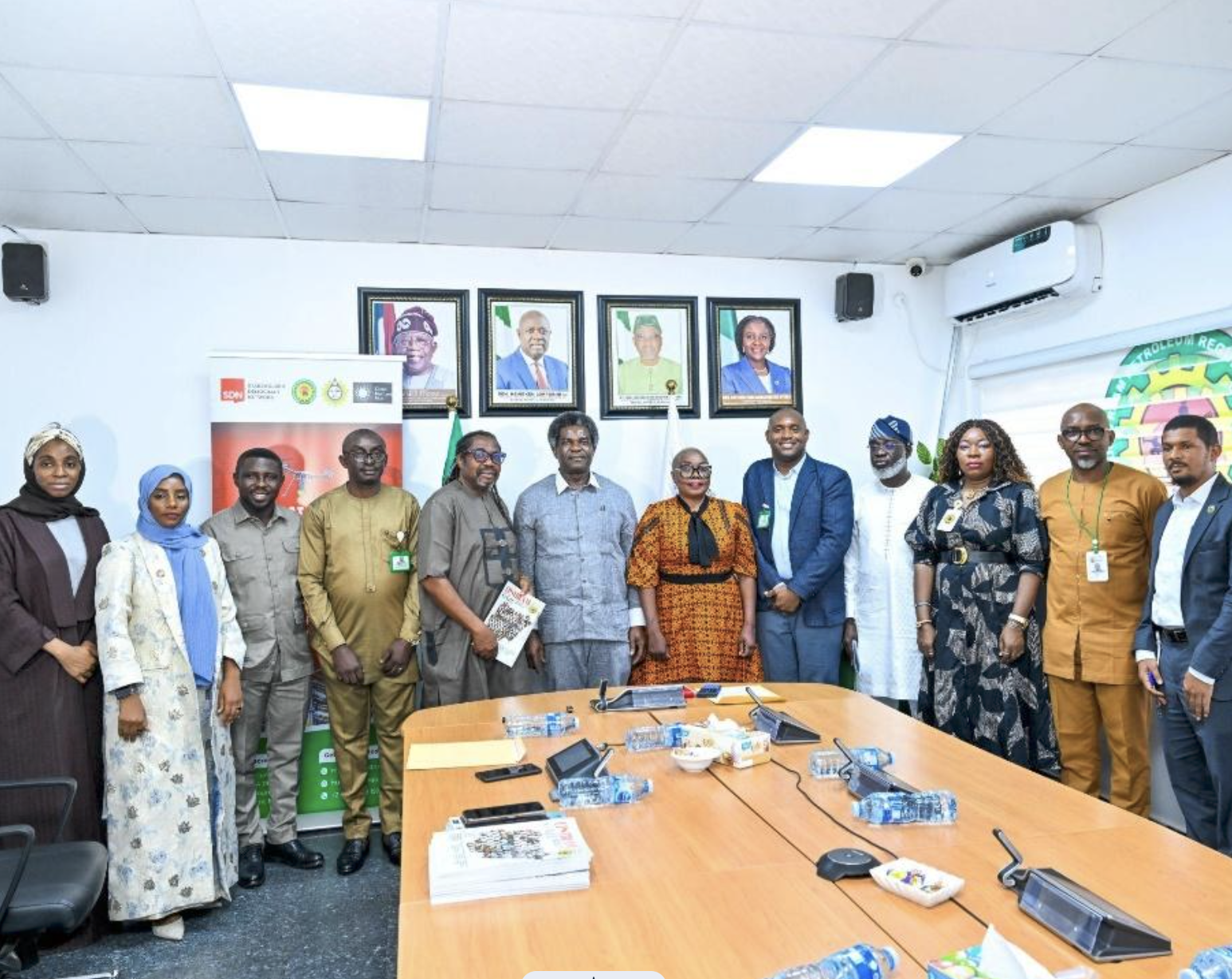
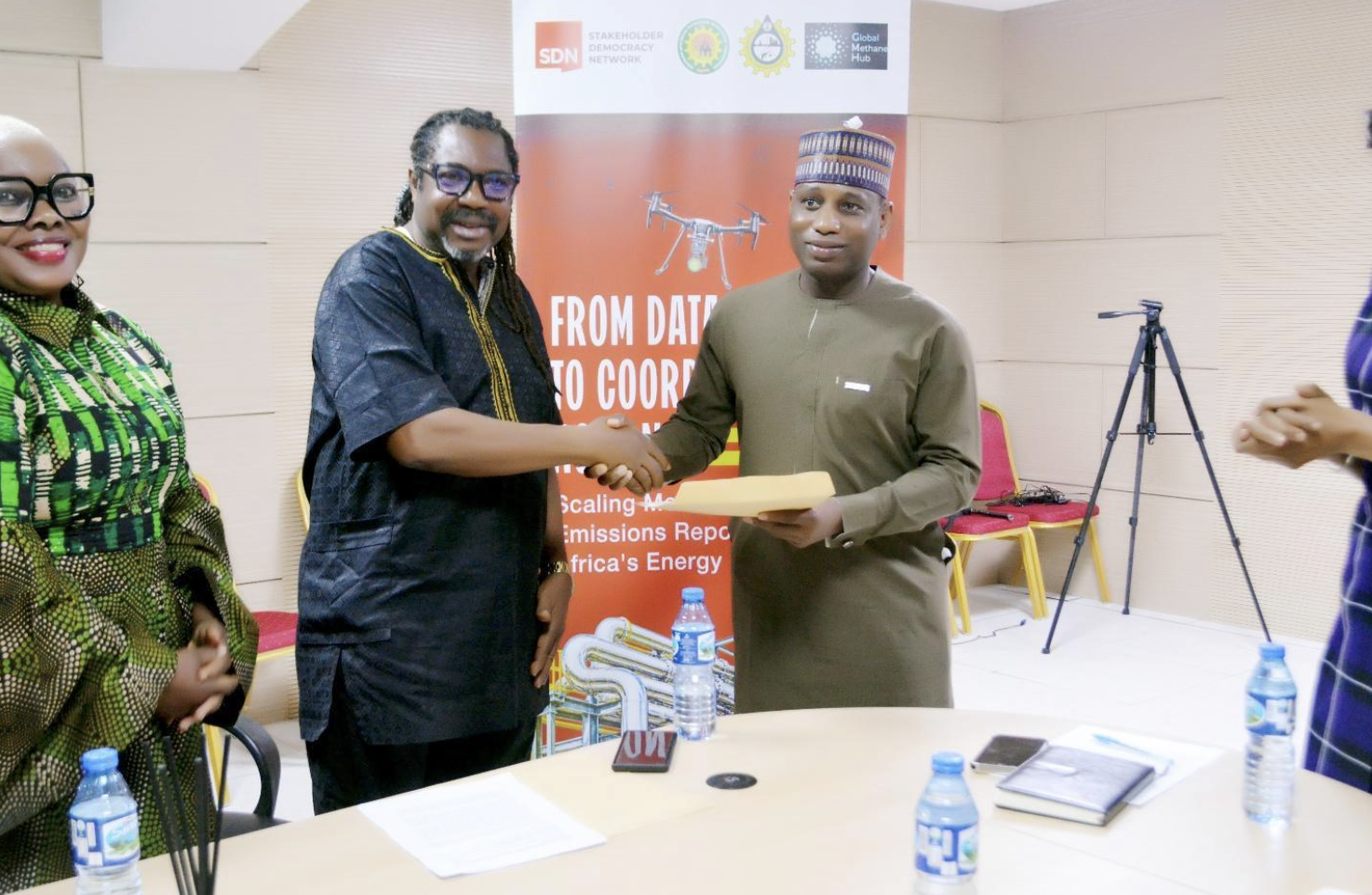
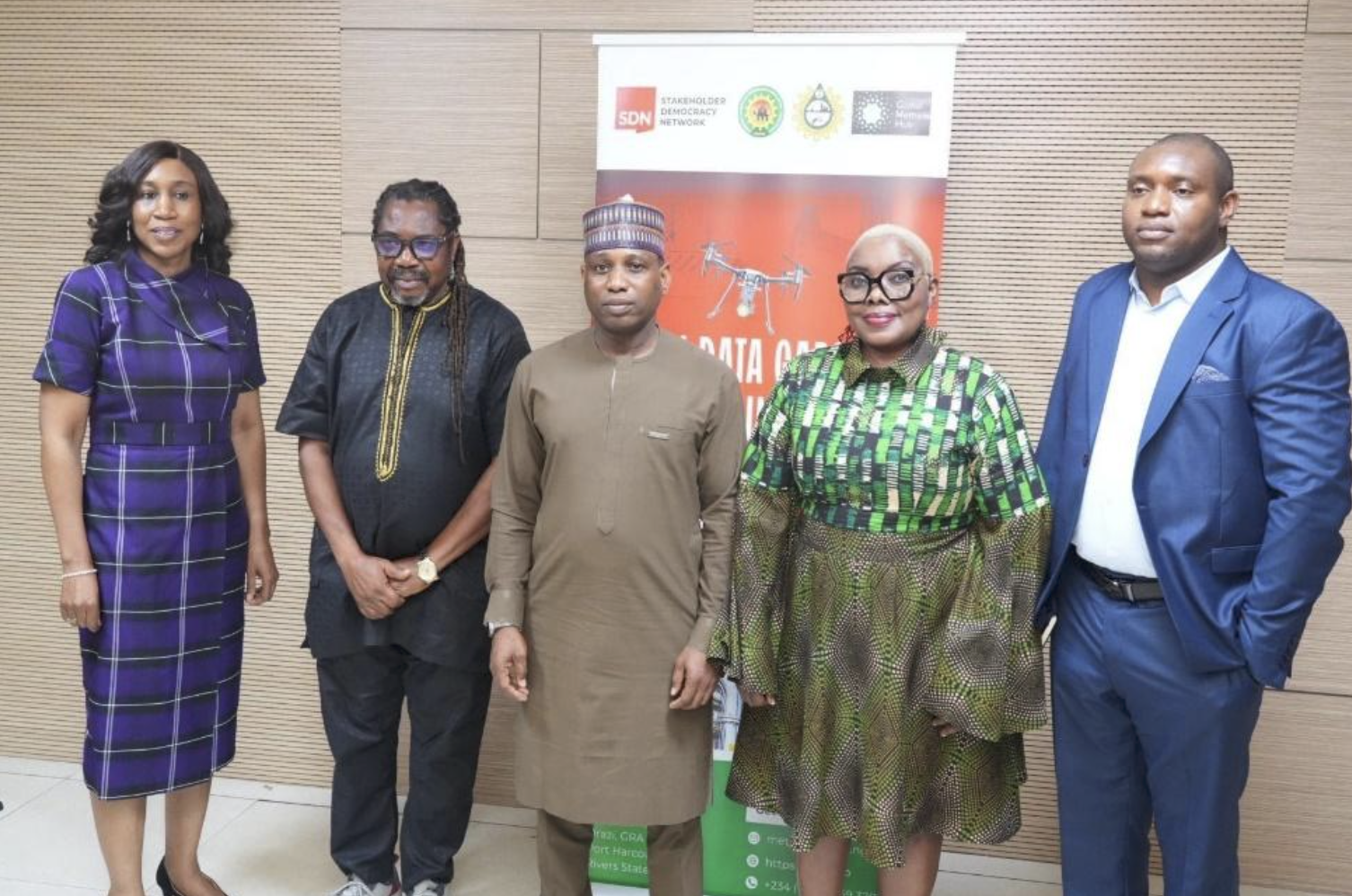
Stakeholder Democracy Network (SDN), with support from the Global Methane Hub (GMH), has formally handed over the Nigerian Oil and Gas Industry Emission Tracker (NOGIET) to the Nigerian Upstream Petroleum Regulatory Commission (NUPRC) and the Nigerian Midstream and Downstream Petroleum Regulatory Authority (NMDPRA). The handover took place at separate ceremonies in Abuja on 27 October and 2 November 2026, respectively.
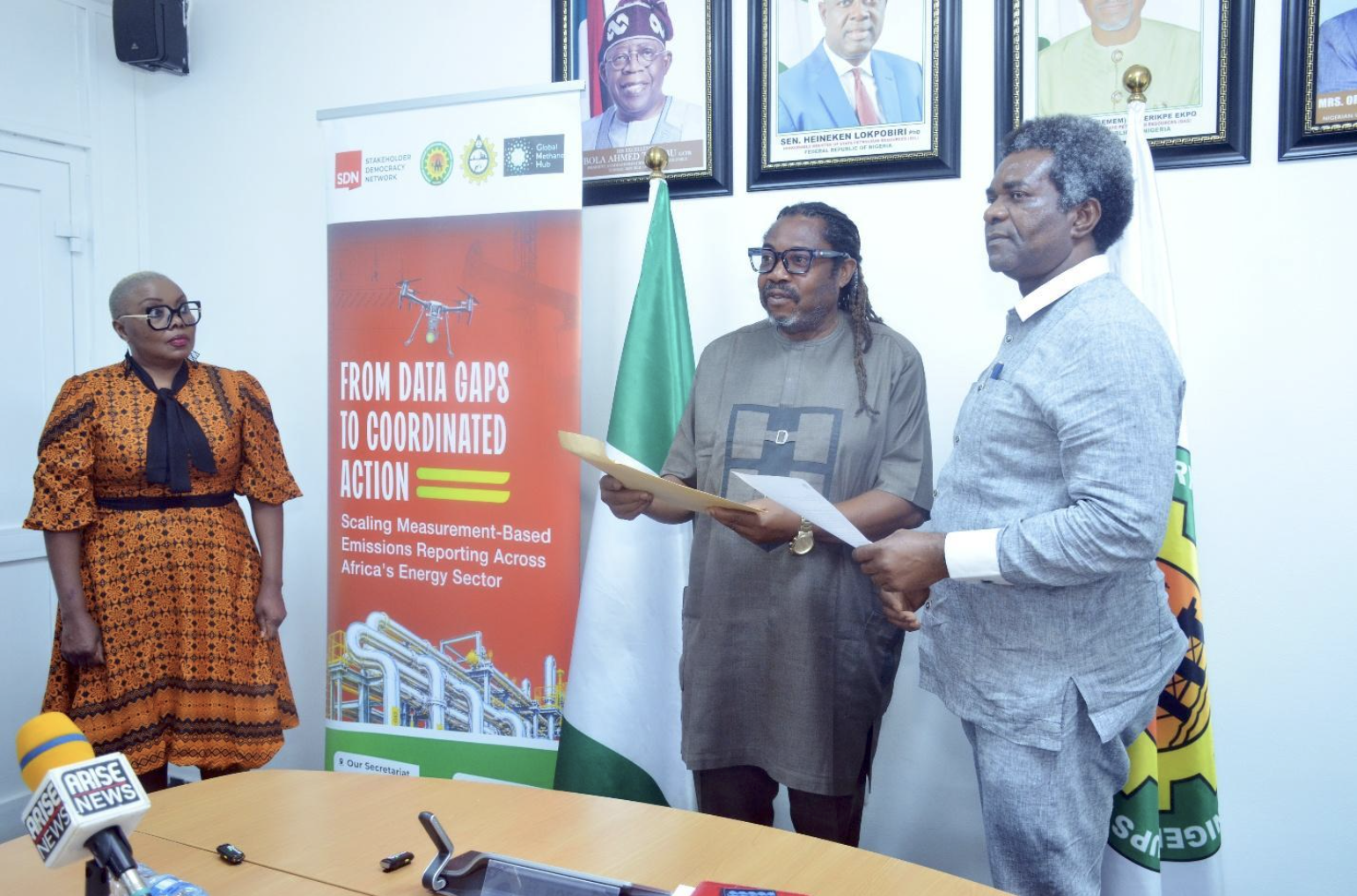
The transfer places the platform, including its front-end and back-end systems and accompanying technical documentation, under the joint ownership and management of the two regulatory agencies. It represents an important step towards strengthening Nigeria’s institutional capacity to monitor methane emissions and use more comprehensive evidence in regulatory oversight.
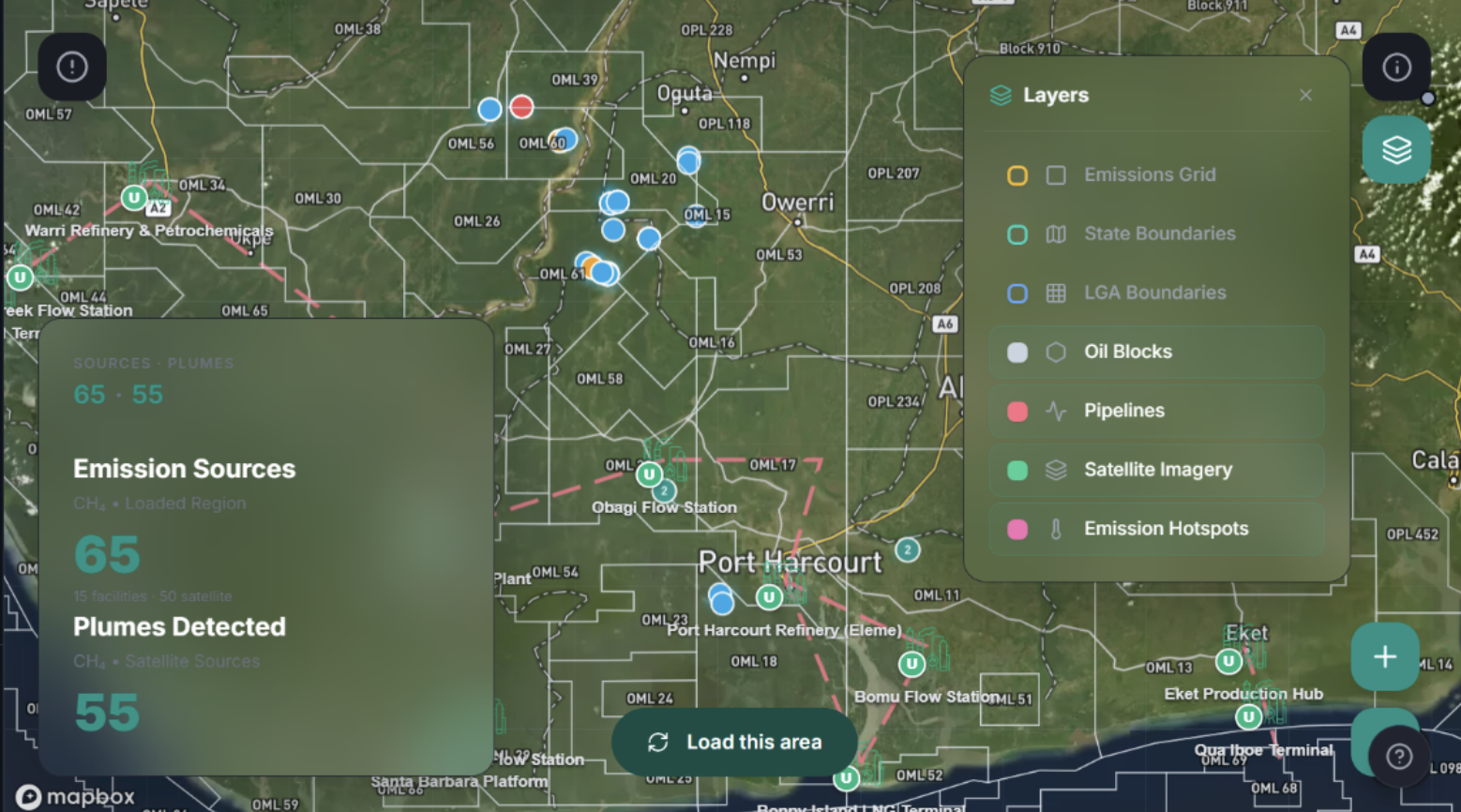
Integrating Satellite Observations with Facility-Level Emissions Data
Methane emissions from oil and gas operations present a significant monitoring challenge. Emissions can occur across different stages of the petroleum value chain, and conventional reporting systems may not always provide regulators with sufficient independent evidence to assess the scale, location or frequency of potential releases.
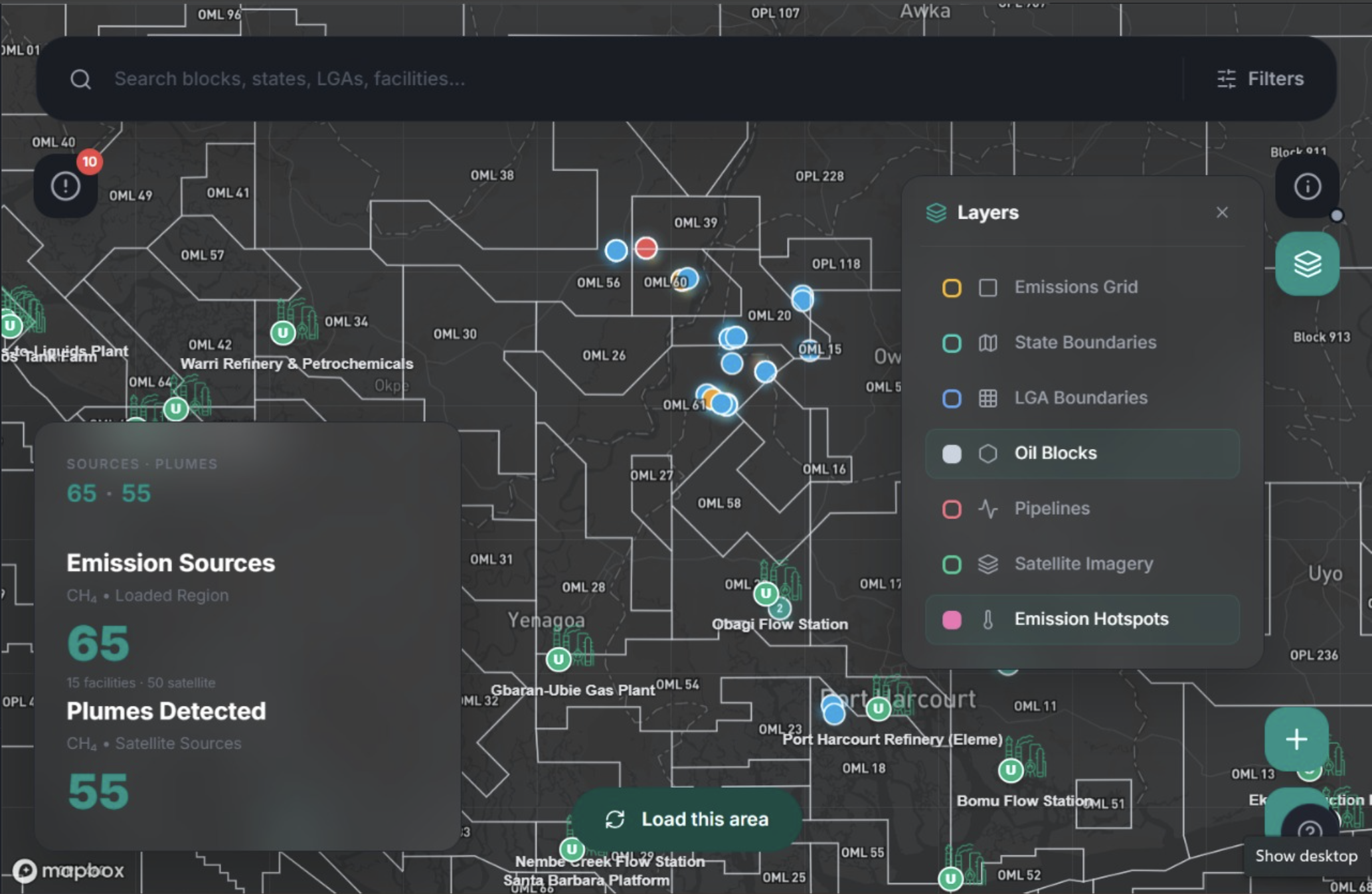
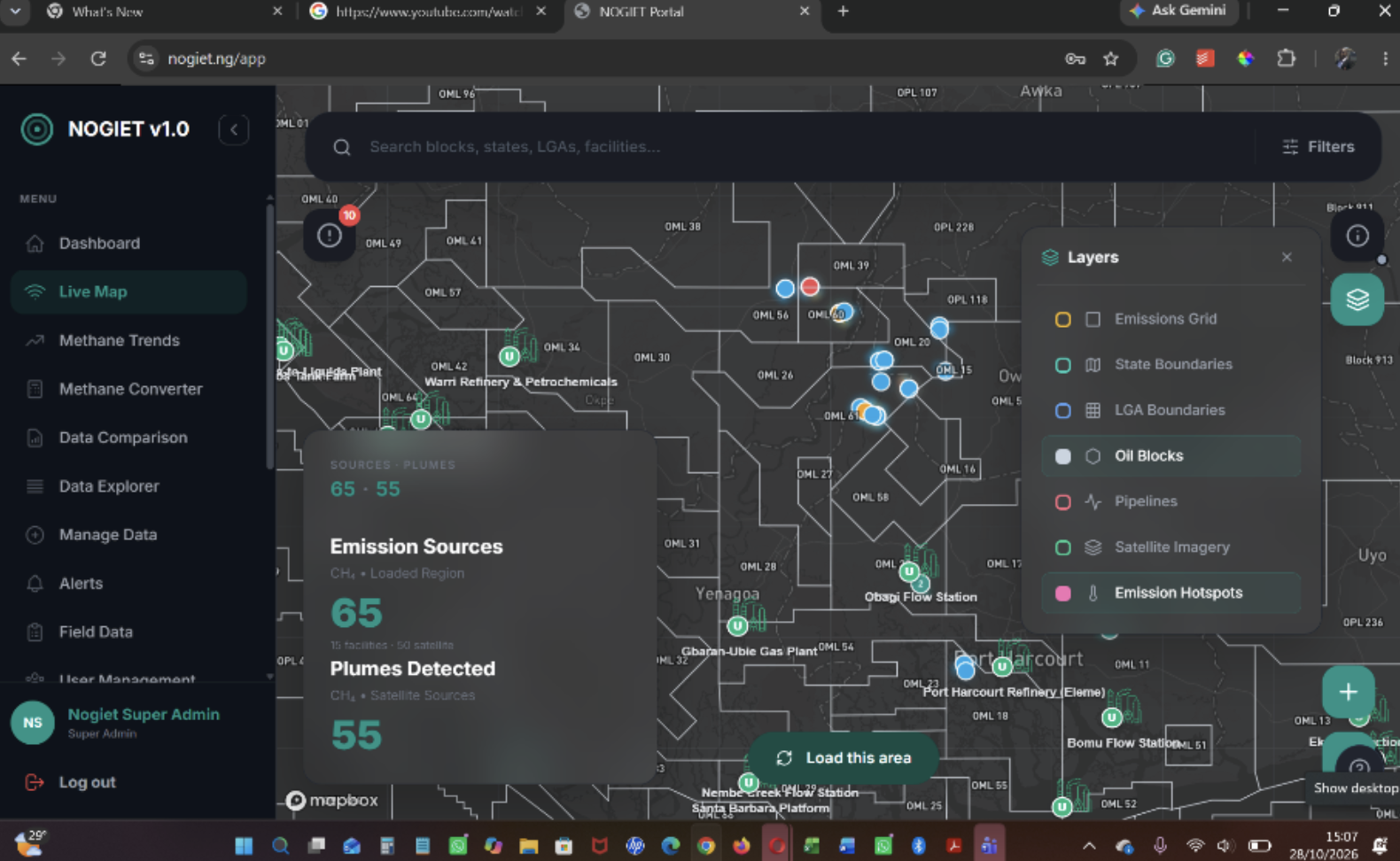
NOGIET addresses this challenge by combining three complementary sources of information: satellite-based detection of methane plumes, regulatory spatial data showing oil blocks, pipelines, and administrative boundaries, and ground-level emissions measurements submitted by facility operators.
Integrating these datasets enables regulators to compare satellite observations with reported facility-level measurements and examine potential emissions in their geographical and operational context. Satellite observations can help identify potential emission events and areas requiring further investigation, while ground measurements and regulatory follow-up are important for verifying and attributing emissions to particular facilities or operations.
This process of data triangulation strengthens the evidence available to regulators. It can help identify discrepancies between observed and reported emissions, trace potential emission events in relation to oil and gas infrastructure, and support prioritising inspections and further investigation.
NOGIET is therefore not simply a visualisation tool. Its value lies in bringing different forms of emissions and infrastructure data into a common analytical environment to support more informed regulatory decisions.
Extending Methane Oversight Across the Entire Oil and Gas Value Chain
A key feature of NOGIET is its coverage of the upstream, midstream and downstream segments of the oil and gas industry. This is important because methane emissions are not confined to production sites. They can also occur during the processing, transportation, storage and distribution of petroleum products.
The platform’s coverage enables both regulatory agencies to examine potential emissions across the infrastructure and activities within their respective mandates. For the NUPRC, it provides an additional information source to support oversight of upstream operations. For the NMDPRA, it extends monitoring to midstream and downstream facilities, including pipelines, compressors, and storage infrastructure.
The platform can also be extended to accommodate other greenhouse gases, providing a foundation for broader emissions monitoring as regulatory requirements and technical capabilities develop.
For the NUPRC, the platform’s operationalisation is particularly relevant to the Commission’s 2022 guidelines on fugitive methane and greenhouse gas emissions, which require measurement-based reporting from the first quarter of 2027. NOGIET can complement these reporting requirements by providing an additional way to compare operator submissions with satellite observations and other available data.
The NMDPRA has also recognised the importance of extending emissions oversight beyond production facilities. Its commitment to inform licensees that emissions will be monitored through satellite observations and checked at ground level signals the importance of combining remote sensing with facility-level verification.
Connecting Emissions Monitoring to Host Community Accountability
The implications of improved methane monitoring extend beyond climate commitments and regulatory compliance. Across the Niger Delta, communities live close to oil and gas infrastructure and have long raised concerns about pollution, environmental degradation, and the effects of petroleum operations on their livelihoods and wellbeing.
For many host communities, establishing the source and extent of pollution can be difficult. Communities may observe environmental changes or experience the effects of nearby industrial activities without having access to the technical information needed to identify the source, establish the scale of emissions or secure an effective regulatory response.
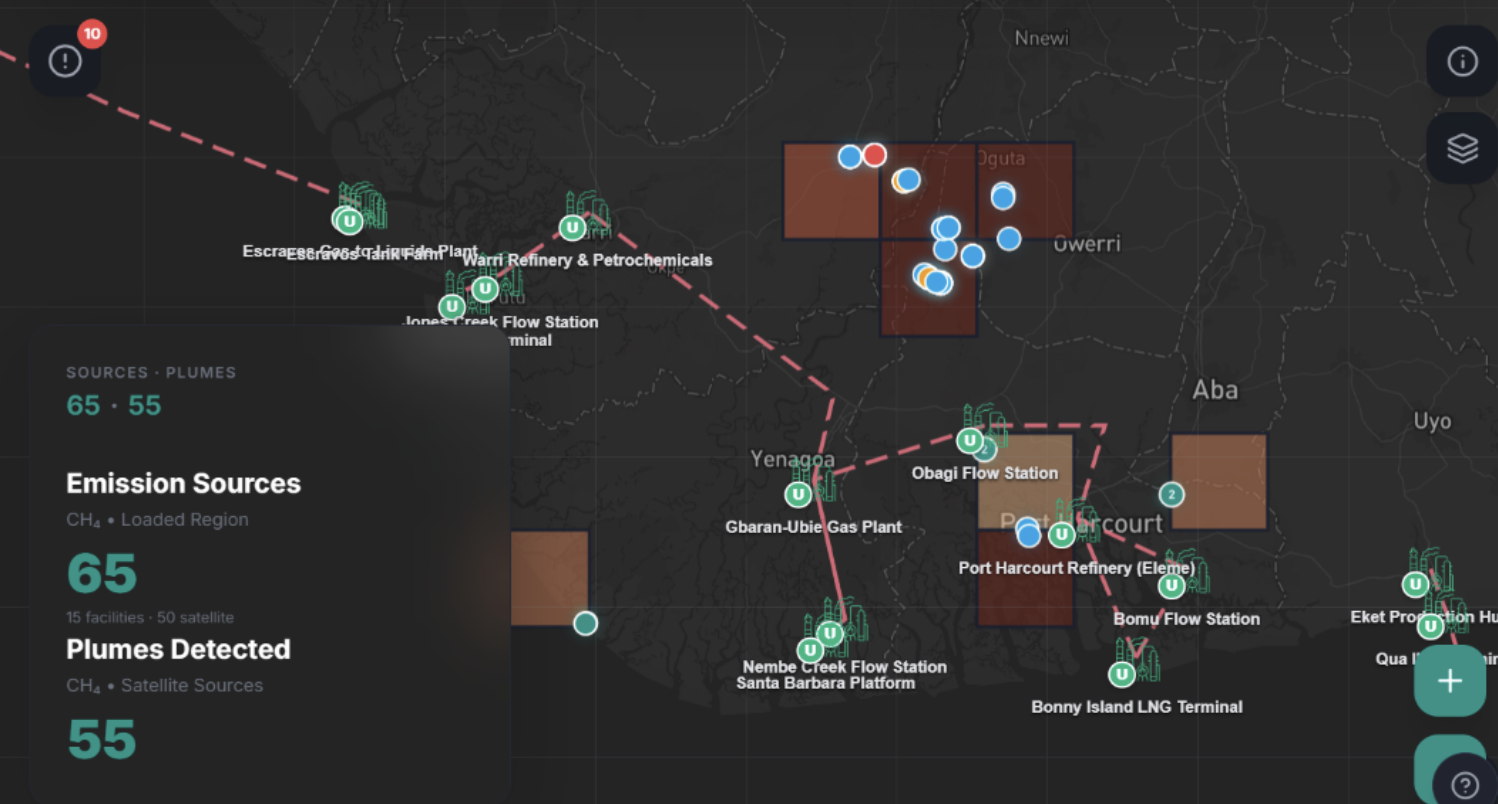
By improving the detection and traceability of potential methane emissions, NOGIET creates opportunities to strengthen the evidence available for environmental oversight and
accountability. Satellite observations, when considered alongside facility-level measurements and regulatory investigation, can help identify locations requiring further scrutiny. This can help regulators investigate reported or suspected emissions and provide a stronger technical basis for responding to environmental concerns.
However, the availability of monitoring data does not in itself guarantee accountability or remediation. Its value to host communities depends on how effectively regulators act on the evidence, how transparently they address concerns, and whether communities are meaningfully engaged in environmental monitoring and oversight.
For SDN, strengthening the technical capacity of regulatory institutions is part of a wider effort to advance more transparent and accountable environmental governance. Monitoring systems are most valuable when they contribute not only to institutional oversight but also to better recognition of the experiences and concerns of people living alongside oil and gas infrastructure.
We thank the Global Methane Hub for its support and NUPRC and NMDPRA for their partnership in advancing methane monitoring and accountability in Nigeria’s oil and gas industry.