Civil Society Monitoring of the Ogoniland Clean-up & SEPAG | Funded by the Ministry for Foreign Affairs of the Kingdom of the Netherlands | 2019–2024 | Delivered with CEHRD
In 2011, the United Nations found benzene levels in Ogoniland’s drinking water over 900 times WHO safety limits, the legacy of more than fifty years of oil pollution. The Nigerian government’s response, HYPREP, is one of the largest and most complex oil clean-up operations in the world. But a clean-up this size, run largely by the same government agencies with an interest in declaring it a success, needed someone independent watching closely. Since 2019, that’s been SDN and CEHRD’s job — and they didn’t do it with outside experts. They did it by turning young residents of the very communities affected into trained environmental scientists.
Building an army of independent scientists:
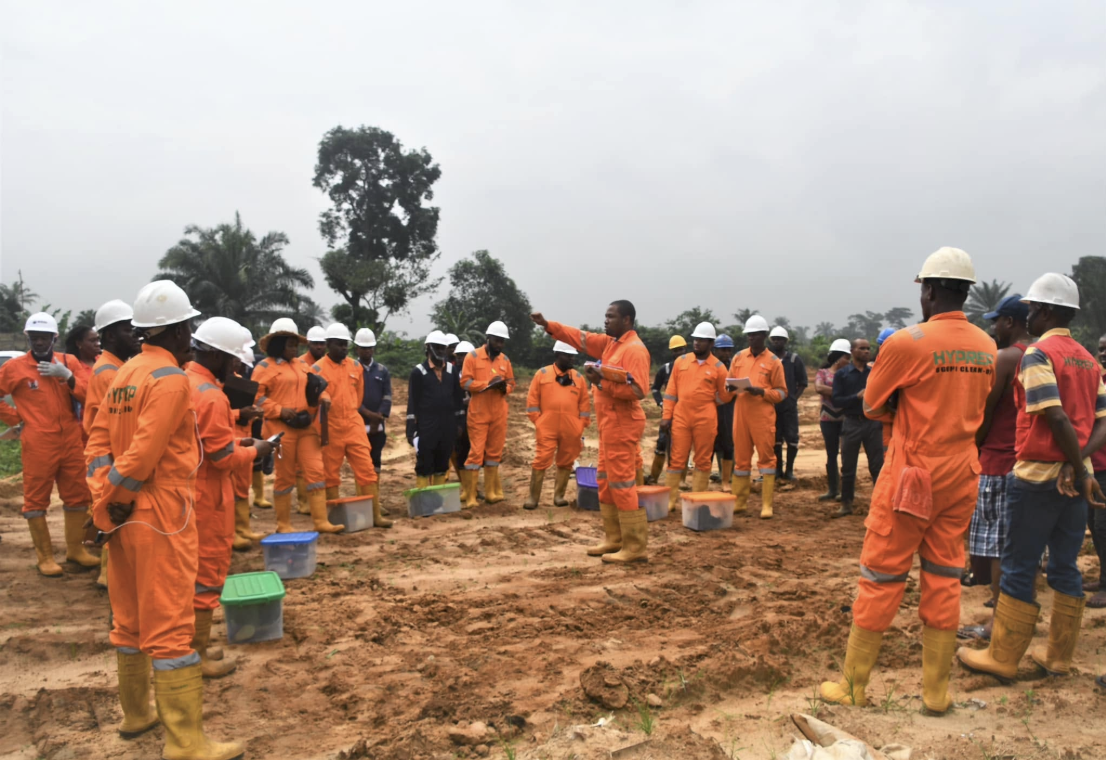
Over five years and seven training sessions, SDN trained 64 environmental monitors (15 women, 49 men), ordinary community members equipped with the technical skills to collect and interpret contamination data to international standards, guided by experts including Dr. Ferdinand Giadom of UNEP and Dr. Mohammed Hamadina. Knowledge tests before and after training showed gains of over 40%, and in one cohort, 100% of trainees demonstrated improved competence.
What that army found — and what it forced HYPREP to do:
- Collected and analysed 2,627 soil samples and 109 water samples across 46 remediation sites between 2019 and 2024, an independent, parallel dataset to the government’s own.
- That evidence directly forced HYPREP and its regulator, NOSDRA, to reopen and reassess 25 sites initially at risk of being signed off as “clean”, and, after further monitoring, 12 sites were formally reclassified as more seriously contaminated “complex” sites requiring real remediation, not paperwork.
- Discovered that over 60% of officially “completed” sites showed poor or no revegetation, meaning land certified as restored still couldn’t support farming. This finding pushed HYPREP to start assessing contractors’ technical competence before awarding future contracts.
- SDN now sits on HYPREP’s own Remediation Documentation Review Committee, created directly in response to SDN’s advocacy, and has already used that seat to get five substandard contractor clean-up plans rejected before work could even begin.
- Is one of the lead civil society voices pushing HYPREP, NOSDRA, and Nigeria’s Ministry of Environment to adopt a stricter contamination safety threshold (500mg/kg instead of the current 1000mg/kg), a technical committee is now formally reviewing this, with SDN and CEHRD at the table.
- Monitored the restoration of Ogoniland’s mangrove forests, tracking the planting of over 1.2 million seedlings, and monitored the quality of 20 emergency water stations built for communities with contaminated groundwater.
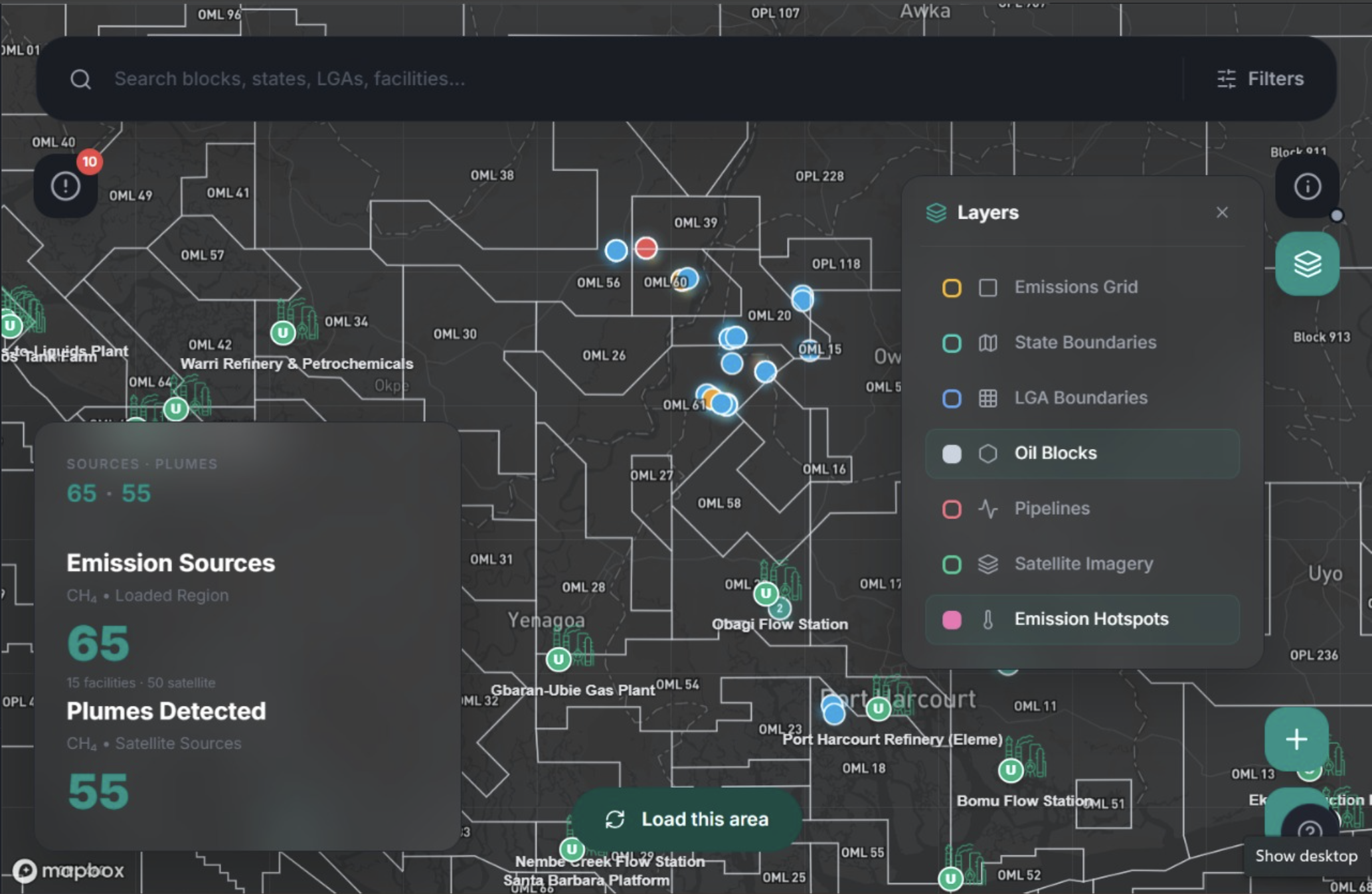
- Published 5 independent progress reports and maintains a public data dashboard, giving journalists, researchers, and the public direct access to clean-up data that HYPREP alone would never have published.
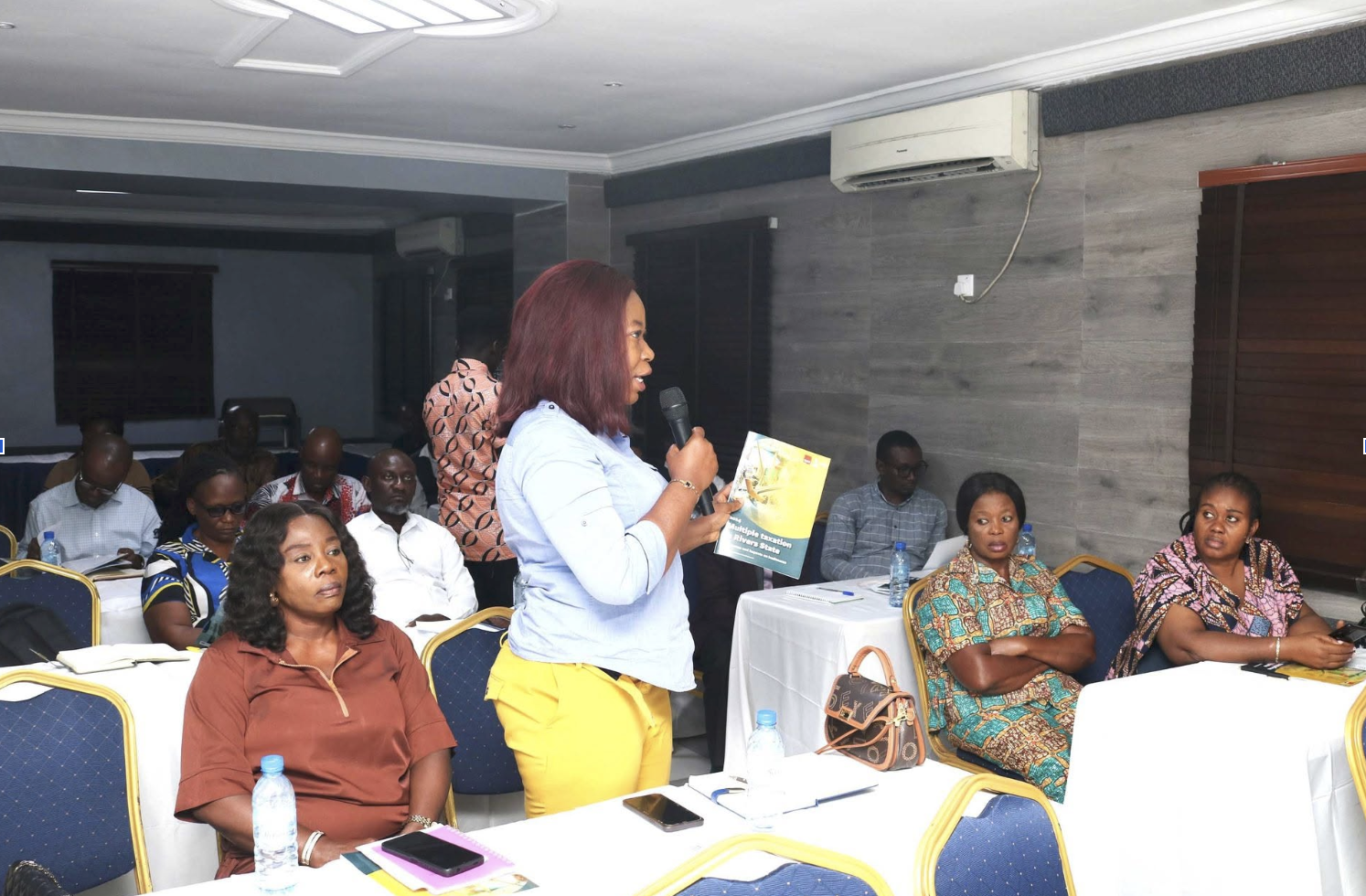
- Convened 7 stakeholder roundtables bringing together HYPREP, NOSDRA, and community representatives face-to-face, 338 people in total, turning confrontation into dialogue that’s produced real fixes.
The bottom line:
an agency with every institutional incentive to call its own work finished has instead had to publicly reopen sites, reject contractor plans, and rewrite its own technical standards, because a team of young people from the affected communities had the data to prove it wasn’t done yet.


Some of the data that our biannual reports are based on is available via our online interactive dashboard–compare and generate your own graphs.
Updated: 27.10.2021